

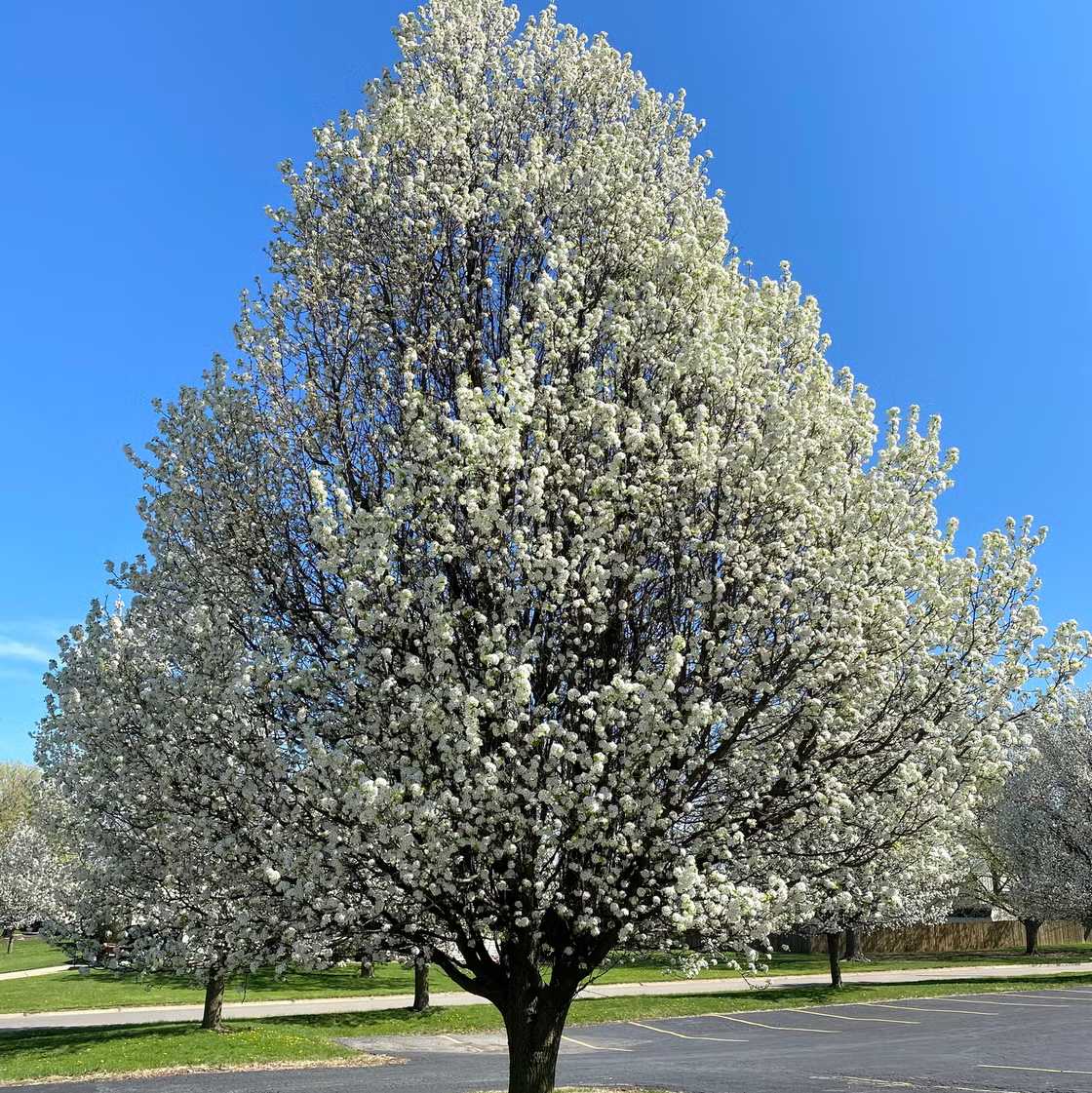
INDIANA — Indiana is taking decisive action to curb the spread of the Callery pear, a popular but destructive invasive tree species that has begun to dominate the state’s natural landscapes.
Commonly known by cultivars like the Bradford pear or Cleveland Select, these trees are easily identified in early spring by their dense clusters of white flowers—and their notoriously unpleasant odor. While they were once a staple of suburban landscaping, officials say their ecological cost has become too high to ignore.
The Callery pear was originally introduced to the U.S. as a sterile ornamental tree. However, as different varieties were planted near one another, they began to cross-pollinate, creating fertile seeds. These seeds are consumed by birds and dropped across forests, fields, and roadsides.
Unlike native species, the Callery pear has few natural competitors in Indiana. It leafs out earlier in the spring and holds its leaves later into the fall, effectively “shading out” native plants and destroying the biodiversity necessary for local insects and wildlife to thrive.

“From a landowner perspective, they cost a lot of money to control,” said Amber Slaughterbeck of Cooperative Invasives Management. “The best thing you can do is be very proactive. Don’t buy the tree. If you have it, map it this time of year and figure out how you’re going to work on controlling it.”
Free Resources for Hoosier Landowners
For residents unsure if the trees on their property are invasive, the state is offering assistance. Southern Indiana Cooperative Invasives Management (SICIM) and other local partnerships provide free property surveys to help landowners identify invasive species and develop a management plan.
Experts recommend a “cut and treat” method for removal, as simply cutting the tree down often results in aggressive resprouting from the root system.
Planting for the Future: Native Alternatives
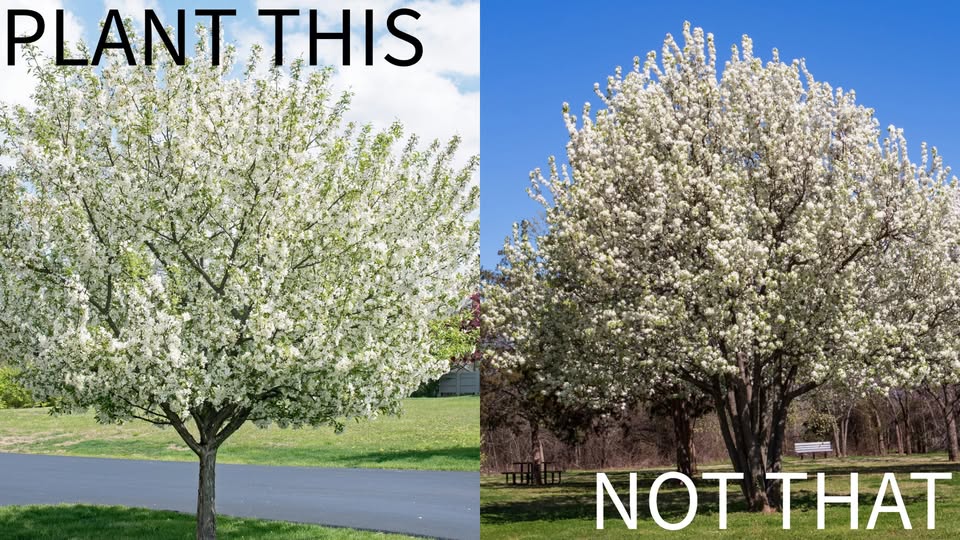
As Indiana moves toward a formal ban—joining neighboring states like Ohio—horticulturists are encouraging homeowners to choose native alternatives that offer similar aesthetic beauty without the ecological risk.
| Alternative | Benefits |
| Serviceberry | White spring blooms, edible berries for birds, and vibrant orange-red fall foliage. |
| Eastern Redbud | Iconic purple-pink flowers that support early-season pollinators. |
| Flowering Dogwood | Large, showy blooms and high value for local wildlife. |
| American Plum | Fragrant white flowers and hardy growth suitable for Indiana soil. |
How to Get Involved
State officials urge residents to visit sicim.info to find their local regional specialist. Additionally, several counties in Indiana have launched “Trade-In” programs, where homeowners can receive a free native tree in exchange for proof that they have removed a Callery pear from their property.
By taking action now, Indiana hopes to reclaim its woodlands and ensure that native ecosystems remain resilient for generations to come.

