

LAWRENCE COUNTY — As the calendar turns to April and the first “Spring-peepers” begin to sing in Southern Indiana, the Indiana Department of Natural Resources (DNR) is reminding residents that welcoming birds back to their backyards comes with a serious responsibility.
While bird feeders are a quintessential part of spring, they can also act as “superspreader” hubs for avian diseases. The DNR is urging Hoosiers to follow a strict cleaning regimen to protect local songbird populations from three primary threats.
The “Big Three” Feeder Diseases
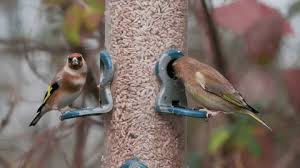
Biologists note that when birds congregate in high densities around a single feeder, bacteria and fungi can spread rapidly through shared surfaces and contaminated droppings.
- House Finch Conjunctivitis: This bacterial infection is easily identified by birds with red, swollen, or “crusty” eyes. It can lead to blindness, making it impossible for the birds to find food or avoid predators.
- Aspergillosis: A fungal infection that thrives in damp, old birdseed. As Indiana’s spring temperatures rise and humidity increases, wet seed in the bottom of a feeder can grow mold spores that birds then inhale, causing respiratory distress.
- Salmonellosis: A highly contagious bacterial disease spread through droppings. Infected birds often appear “fluffed up,” lethargic, and may show little fear of humans.
Step-by-Step: How to Sanitize Your Feeder
To ensure your backyard remains a sanctuary rather than a hazard, the DNR recommends a full deep-clean at least once every two weeks.
The Cleaning Protocol:
- Step 1: Wear disposable gloves and a mask. (DNR experts note that humans can occasionally contract Salmonella from bird droppings.
- Step 2: Empty all old seed. Do not simply “top off” a partially full feeder.
- Step 3: Scrub the feeder thoroughly with hot, soapy water to remove all debris and “caked-on” seed.
- Step 4: Soak the feeder in a 10% bleach solution (1 part bleach to 9 parts water) for at least 10 minutes.
- Step 5: Rinse multiple times with fresh water and allow the feeder to dry completely before refilling.
Pro-Tip: Don’t forget the ground! Use a rake to remove old seed hulls and droppings from underneath the feeder area, as these can harbor pathogens for weeks.
What About the Bird Flu?
While Highly Pathogenic Avian Influenza (HPAI) is currently affecting poultry and waterfowl in Indiana (with over 350,000 birds lost this March), the DNR and Purdue Extension note that songbirds are generally at low risk for this specific virus.
Current Guidance:
- General Public: You do not need to take down your feeders at this time unless you see sick or dead birds in your yard.
- Poultry Owners: If you keep backyard chickens or ducks, the USDA strongly recommends removing wild bird feeders entirely to prevent any potential cross-contamination between wild birds and your domestic flock.
How to Report Sick Wildlife
If you encounter a bird that appears disoriented, has crusty eyes, or you find multiple dead birds in one area, do not touch them. Instead, use the Indiana DNR’s Online Sick or Dead Wildlife Reporting Tool.
These reports are reviewed daily by wildlife health biologists and are critical for tracking the spread of disease across the state.