


LAWRENCE COUNTY — As tractors begin to roll across Southern Indiana for the 2026 spring planting season, the usual optimism of a new crop year is being overshadowed by a dramatic spike in fuel costs.
In just the last month, diesel prices have surged by more than a dollar per gallon, with current averages in many Indiana communities surpassing $5.20 per gallon. The rapid increase, driven by geopolitical instability and supply chain disruptions in the Middle East, is hitting Hoosier farmers at their most energy-intensive time of year.
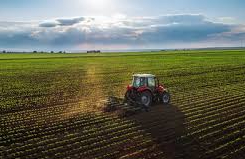
For a typical large-scale operation in Lawrence County, the math is sobering. A single high-horsepower tractor can burn through 500 gallons of diesel in a single day of heavy field preparation or planting.
By the numbers (March 2026):
- Indiana Average Diesel: $5.17 – $5.26 per gallon
- Monthly Increase: ~$1.10 per gallon
- Daily Fuel Cost Increase: An extra $500 to $600 per day for a single machine compared to February prices.

Farmers put a massive amount of their own capital into the ground before they ever see a nickel back. One local producer noted. When fuel jumps this much in three weeks, it eats their profit margin before the seed even hits the dirt. “It’s honestly nerve-racking,” one farmer said.
A Global Crisis Hits Home
The price spike is largely attributed to a “chokepoint crisis” in the Middle East. Following recent military strikes and threats to the Strait of Hormuz, global oil and fertilizer shipping has slowed to a crawl. Since roughly 25% of the world’s seaborne oil and a significant portion of global urea (fertilizer) pass through this narrow waterway, the local impact in Indiana is immediate.
Secondary Impacts on Farming:
- Fertilizer Prices: In addition to fuel, nitrogen-based fertilizers—which rely on natural gas for production—have seen a 25% price increase since the conflict escalated in late February.
- Crop Shifts: Agricultural economists at Purdue University suggest some farmers may pivot away from corn (which is fuel and fertilizer-heavy) in favor of soybeans, which require fewer inputs.
- Logistics: Every bushel of grain hauled to an elevator this fall will now cost significantly more in transport fees, further tightening the “take-home” pay for producers.
Navigating the Storm
To combat the rising costs, Indiana farmers are increasingly turning to precision agriculture technology to reduce waste. Many are utilizing GPS-guided “no-till” or “reduced-tillage” methods to cut down on the number of passes a tractor makes across a field, saving precious gallons of fuel.
The USDA recently adjusted its 2026 Farm Income Forecast, predicting that while total production expenses will remain high, government aid programs like the Emergency Commodity Assistance Program may help bridge the gap for those hardest hit by the trade and energy environment.
Farmers have “zero control over the global market”, they must roll with the punches and hope the markets realize that expensive fuel eventually means expensive food for everyone.

