

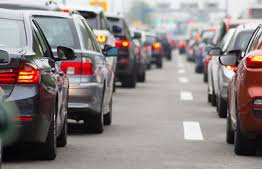
INDIANA — It is a uniquely American weekday condition: the slow-moving pressure cooker of tailgaters, sudden bottlenecks, and the nagging anxiety of missing a morning meeting. For Indiana workers, that “A-to-B” trip is increasingly becoming an exercise in patience.
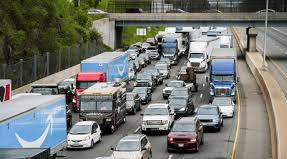
According to a new study by Munley Law, a personal injury law firm, road rage rarely explodes out of nowhere. Instead, it accumulates through a series of “everyday flashpoints”—abrupt lane cuts, cryptic detours, and inexplicable merge slowdowns.
To map these frustrations, the firm surveyed 3,015 U.S. workers to identify the specific stretches of pavement that drive commuters to the breaking point.
In Indiana, three specific corridors emerged as the “angriest” commutes in the state.
1. US-31: Carmel to Indianapolis
Topping the list is the stretch of US-31 running through Carmel into the state’s capital. While modernization projects brought numerous roundabouts intended to improve safety, the survey suggests they have created a “learning curve” frustration for drivers.
During peak morning and evening hours, the high volume of vehicles entering from cross-streets, combined with rapid regional growth, creates steady congestion that tests the temperaments of Hamilton County commuters.
2. The I-65/I-70 Downtown Split: Indianapolis
Coming in at number two is the notorious “Downtown Split.” This corridor acts as a funnel for multiple major traffic flows, forcing them into a tight, high-pressure environment.
Commuters cited the combination of rapid-fire lane changes and closely spaced exits as major stressors. Because this section is a critical artery for the city’s interstate loop, a single minor collision or stalled vehicle here can trigger a “domino effect” of backups that stretch across the entire metropolitan area.
3. I-465 at I-70 East: Indianapolis
Rounding out the top three is the east-side interchange of I-465 and I-70. This area creates a volatile mix of airport-bound travelers, daily commuters, and heavy long-haul trucking.
The “cloverleaf” design of the interchange requires significant weaving between lanes, a maneuver that becomes increasingly difficult as regional logistics and truck volumes grow. Survey participants noted that even during off-peak hours, this interchange often feels overcrowded and aggressive.
The Cost of Commuter Stress
Beyond the emotional toll, experts warn that “toxic traffic” has real-world consequences. Increased stress behind the wheel is a leading contributor to aggressive driving and distracted behavior, which in turn leads to more frequent accidents.
As Indiana continues to grow, urban planners and safety advocates are looking toward these three flashpoints as priorities for future infrastructure improvements aimed at cooling down the “pressure cooker” of the Hoosier commute.

