

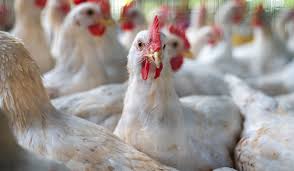
MARENGO — State animal health officials have confirmed a case of Highly Pathogenic Avian Influenza (HPAI) at a commercial egg-laying operation in Crawford County. The detection has triggered an immediate quarantine and the establishment of multi-county control zones to prevent further spread of the virus.
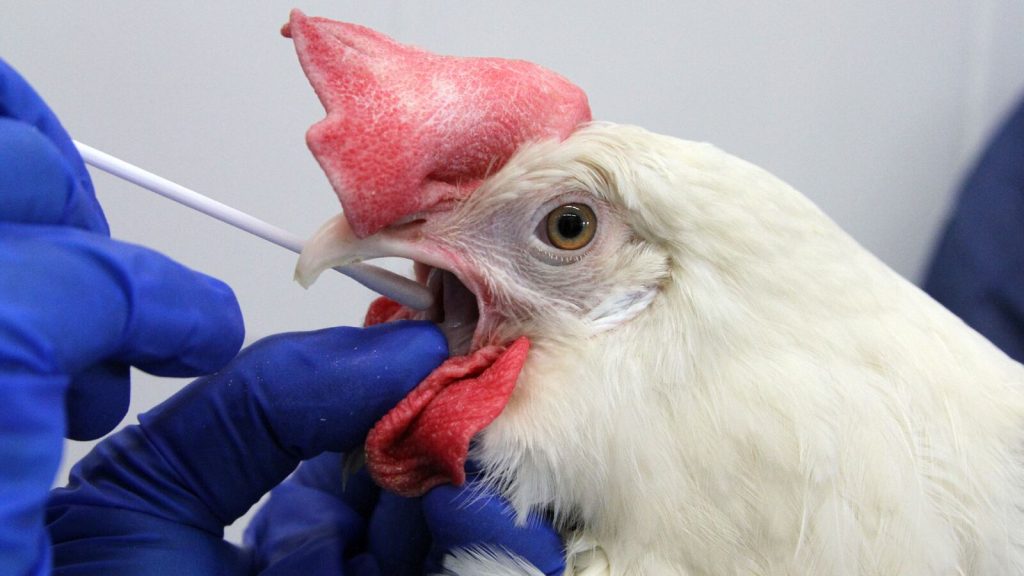
The affected flock, which consists of 49,727 birds, was identified as “Crawford 01” in the latest situation report from the Indiana State Board of Animal Health (BOAH).
In response to the positive test, BOAH has activated strict geographic restrictions surrounding the infected site:
- 10-Kilometer Control Area: This primary zone covers portions of Crawford and Dubois counties. All commercial poultry within this area are under quarantine and must follow specific movement permits.
- 20-Kilometer Surveillance Zone: An expanded monitoring area extends into Crawford, Dubois, and Perry counties. Officials are reaching out to flock owners in this zone to offer testing and verify the virus has not moved beyond the initial site.
The Crawford County case is part of a significant uptick in HPAI activity across Indiana in early 2026, largely attributed to the spring wild bird migration. Over the last week alone, six new cases have been confirmed statewide:
- LaGrange County: Two separate commercial egg facilities and two duck operations were impacted, resulting in the depopulation of over 57,000 birds.
- Daviess County: A commercial turkey farm with over 30,000 birds was quarantined in late February.
- Hendricks County: A small non-commercial flock of 61 birds was also lost to the virus.
Since the national outbreak began in 2022, this has become the largest animal health emergency in U.S. history, impacting over 2,000 premises nationwide.
Despite the high mortality rate for poultry, health officials emphasize that avian influenza does not pose a food safety risk.
- Safe Consumption: Properly handled and cooked poultry and eggs remain safe to eat. Pasteurized dairy products are also unaffected.
- Human Risk: The Indiana Department of Health reports that the risk to the general public remains low. Human infections are extremely rare and typically only occur after prolonged, unprotected contact with infected animals.
Guidance for Bird Owners
State officials are urging all bird owners—from large commercial producers to backyard hobbyists—to implement strict biosecurity measures. Symptoms of HPAI in a flock include:
- Sudden, unexplained death
- Significant drop in egg production or misshapen eggs
- Swelling or purple discoloration of the head, comb, or hocks
- Nasal discharge, coughing, or sneezing
To report a sick bird, call the USDA Healthy Birds Hotline at 866-536-7593.

