

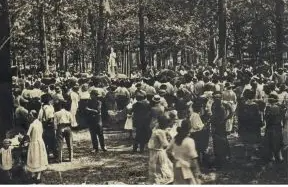
ODON — A highly anticipated public presentation uncovering the history of Odon Park’s iconic Abraham Lincoln sculpture has been sidelined by an approaching winter storm.
The project, led by Indiana University art history professor Melody Buesner and a dedicated team of IU students, aims to shine a light on the life and work of Ira Carell, the local limestone carver who gifted the monument to the town over a century ago.
Originally scheduled to take place at the Odon Library this week, organizers announced that the event will be postponed until April 2026 to ensure the safety of attendees and researchers traveling from Bloomington.
A specific date and time for the April presentation will be announced via the Odon Library and the Daviess County Historical Society social media pages in the coming weeks.
The sculpture, which has stood as a centerpiece of Odon Park since 1922, has long been a point of local pride, but much of its origin story had faded over the decades. Professor Buesner’s team has spent the last several months conducting an exhaustive “deep dive” into the statue’s provenance, including:
- Physical Analysis: In-person examinations of the limestone to study Carell’s specific carving techniques.
- Archival Research: Reviewing century-old town records and news clippings from the statue’s original dedication.
- Original Sketches: Analyzing Carell’s initial hand-drawn designs currently housed at the Daviess County Historical Society.
The Legacy of Ira Carell
Ira Carell was a prominent figure in the regional limestone industry during the early 20th century. His decision to donate the Lincoln sculpture was seen as a major civic contribution during a period when limestone “kings” were defining the architectural identity of Southern Indiana.
“This isn’t just a statue; it’s a testament to the craftsmanship that built this region,” Professor Buesner said in a previous statement regarding the research. “Carell’s work represents a bridge between local labor and national identity.”
While the winter weather has paused the presentation, the research team remains active. Organizers noted that the move to April will allow for a more comprehensive display, potentially including high-resolution digital scans of Carell’s original drawings.