

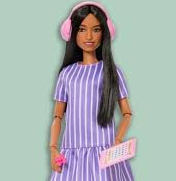
NATIONWIDE – Mattel, Inc. (NASDAQ: MAT) has officially expanded its most diverse line of dolls with the debut of the first-ever autistic Barbie®. Unveiled today, the doll was developed through an intensive 18-month partnership with the Autistic Self Advocacy Network (ASAN) to ensure an authentic representation of the neurodivergent community.
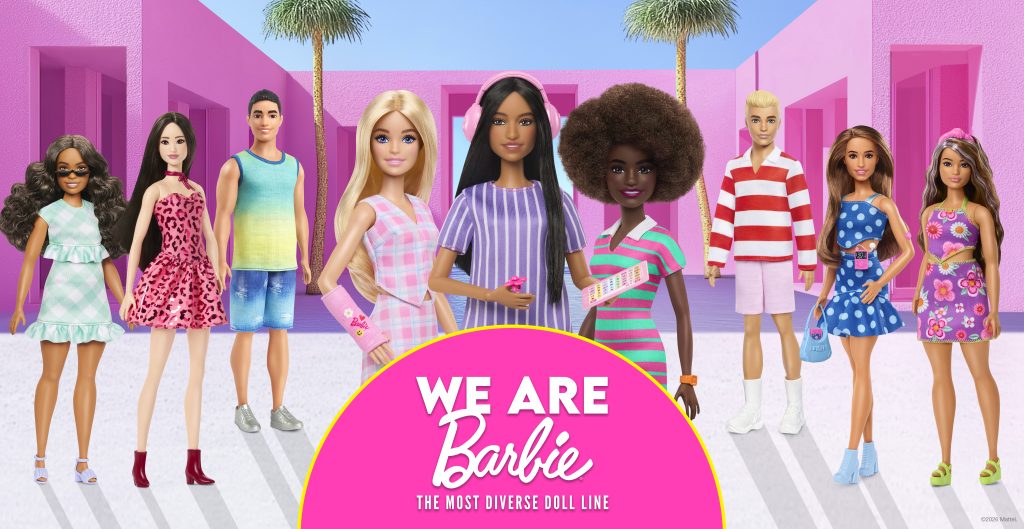
The new addition joins the Barbie® Fashionistas collection, which already includes dolls with Down syndrome, blindness, and various medical conditions.
Designed with Intention
Unlike traditional dolls, the autistic Barbie® features specific physical and sensory traits designed to reflect the lived experiences of individuals on the spectrum:
- Articulation for “Stimming”: The doll features elbow and wrist articulation, allowing it to mimic “stimming,” hand flapping, and other gestures used by many autistic people to process sensory information or express joy.
- The “Side-Eye” Gaze: In a subtle but significant design choice, the doll’s gaze is shifted slightly to the side, reflecting how many members of the community process their environment without direct eye contact.
- Sensory-Sensitive Fashion: She wears a loose-fitting purple pinstripe A-line dress with minimal fabric-to-skin contact and flat-soled shoes to promote stability.
Specialized Accessories
Each doll comes equipped with tools commonly used for sensory regulation and communication:
- Fidget Spinner: A pink finger-clip spinner that actually rotates.
- Noise-Canceling Headphones: Fashionable pink headphones to help manage sensory overload.
- AAC Tablet: A pink tablet featuring symbol-based Augmentative and Alternative Communication (AAC) apps, used by many non-speaking or partially-speaking individuals.

“Barbie® has always strived to reflect the world kids see,” said Jamie Cygielman, Global Head of Dolls at Mattel. “The doll helps to expand what inclusion looks like in the toy aisle and beyond because every child deserves to see themselves in Barbie.”

Colin Killick, Executive Director of ASAN, emphasized the importance of visibility, “It is so important for young autistic people to see authentic, joyful representations of themselves… we will keep pushing for representation that supports our community in dreaming big and living proud.”
The Power of Play
The launch is supported by long-term research from Cardiff University, which suggests that doll play activates brain regions involved in empathy and social processing. The study indicates these benefits extend to all children, including those with neurodivergent traits.
To celebrate the milestone, Mattel is donating over 1,000 dolls to leading pediatric centers, including Children’s National Hospital and Children’s Hospital Los Angeles.
The autistic Barbie® doll is available now at major retailers and the Mattel Shop.

