

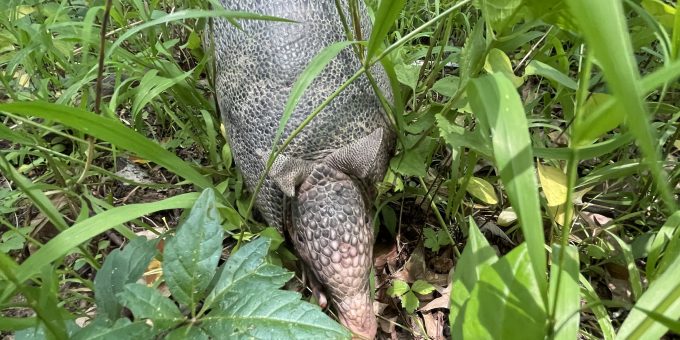
INDIANA— The Indiana Department of Natural Resources (DNR) has introduced a new tool to help Hoosiers distinguish between local legends and scientific factors. The Indiana Mammal Reports Interactive Map is now live, providing a verified look at the rare and elusive animals moving through the state.
The interactive map uses data from the DNR’s “Report a Mammal” tool, featuring sightings that have been vetted and confirmed by state biologists. The project aims to track “mammals of interest”—species that are often misidentified, nocturnal, or rarely seen by the public.
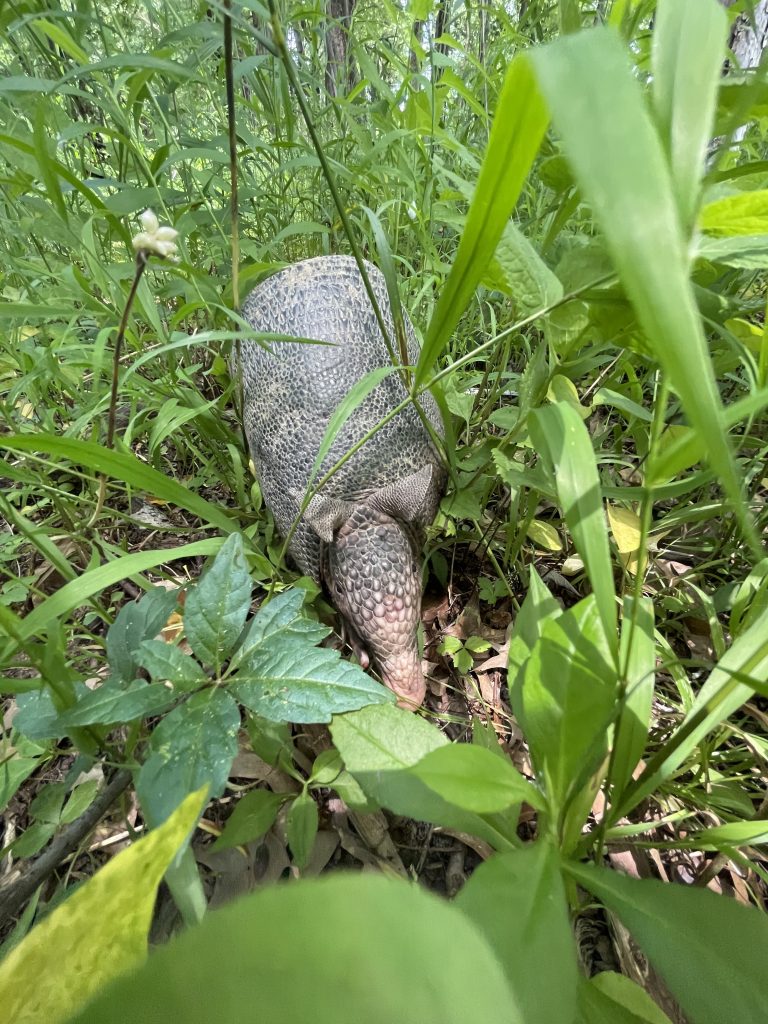
Key species currently being tracked include:
- Armadillos: Once strictly southern residents, their range is steadily expanding into Indiana.
- Southern Flying Squirrels: Though native and common, their nocturnal habits make sightings rare and often met with skepticism.
- Other Species: Gray foxes, badgers, river otters, and star-nosed moles.
The map organizes sightings by location and species, allowing users to see exactly where these animals are being documented. Public participation is vital; biologists rely on citizen-science reports to understand how wildlife populations shift over time.
How to Report a Sighting
If you spot an unusual mammal in your backyard or on a trail camera, you can contribute to the map:
- Use the Tool: Visit the Indiana DNR “Report a Mammal” webpage.
- Provide Evidence: Reports with photos or videos are the most helpful for verification.
- Include Details: Specific location and time information assist biologists in confirming the report.
Beyond rare mammals, Indiana is home to several majestic native species you may encounter:
| Species | Key Characteristics |
| Bald Eagle | Dark body with white head/tail; 6.5–7 ft wingspan. |
| Beaver | Indiana’s largest rodent; flat tail used for swimming and stability. |
| Osprey | Known as “fish hawks”; the only raptor to dive completely into water for prey. |
| Great Blue Heron | Large blue-grey wading bird; protected by state and federal law. |
| Blanding’s Turtle | Endangered in Indiana; identifiable by a bright yellow neck and domed shell. |

