

BEDFORD — As families across Indiana deck their halls for the festive season, an urgent warning has been issued to pet owners about typical holiday decorations that pose hidden dangers to cats and dogs.
Animal software platform Creatures is alerting the vast majority of Indiana households—an estimated 69% own pets—to the serious health risks posed by several popular seasonal plants.
For new and veteran pet owners alike, understanding these often-overlooked threats is crucial for a safe holiday. Many traditional, seemingly harmless holiday plants can cause everything from mild gastrointestinal upset to life-threatening emergencies for curious pets.
Seven Festive Plants That Threaten Pet Safety
Creatures founder Elliott Garber emphasized the gravity of the situation, stating, “The Christmas period brings an influx of seasonal plants into our homes, many of which look beautiful but can pose serious dangers to our pets. While most pet owners are aware that poinsettias can cause mild irritation, far fewer realize that plants like mistletoe, buckeye nuts, amaryllis, and especially lilies can be genuinely life-threatening, particularly to cats.”

Here are seven festive features and plants pet owners should monitor closely:
Mistletoe
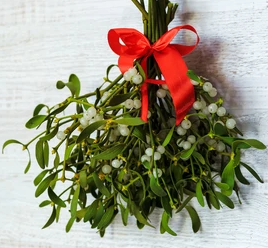
The Danger: Both European and American varieties contain toxins that can induce vomiting, diarrhea, breathing difficulties, low blood pressure, and a decreased heart rate.
Holly
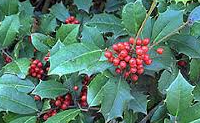
The Danger: The leaves, stems, and vibrant red berries contain saponins, which can cause drooling, vomiting, diarrhea, and lethargy.
Christmas Trees (Fir, Spruce, Pine)

The Danger: Tree oils are mildly toxic and may cause mild gastrointestinal upset.
Physical Risk: Sharp needles can irritate a pet’s mouth or lead to blockages if swallowed. The standing water reservoir at the tree’s base can also breed harmful bacteria.
Buckeye Nuts
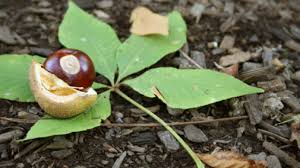
The Danger: Frequently used in holiday wreaths and displays, these nuts contain toxic glycosides that severely affect the nervous system.
Medical Emergency: Ingestion can lead to muscle tremors, excessive drooling, vomiting, diarrhea, seizures, or even paralysis, requiring immediate veterinary care.
Amaryllis
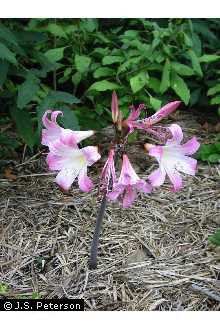
The Danger: These common holiday flowers contain phenanthridine alkaloids. The bulb is the most toxic part, and ingestion can cause severe abdominal pain, intense vomiting, drooling, tremors, and in severe cases, dangerous drops in blood pressure or seizures.
Poinsettias
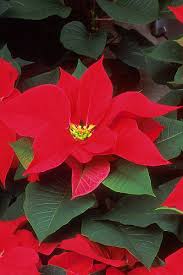
The Danger: While less toxic than often rumored, the milky white sap can cause oral pain, drooling, vomiting, diarrhea, and skin and stomach irritation in pets.
Risk: Symptoms are usually mild, but their ubiquity in holiday décor makes them a frequent source of discomfort.
Lilies (True Lilies)
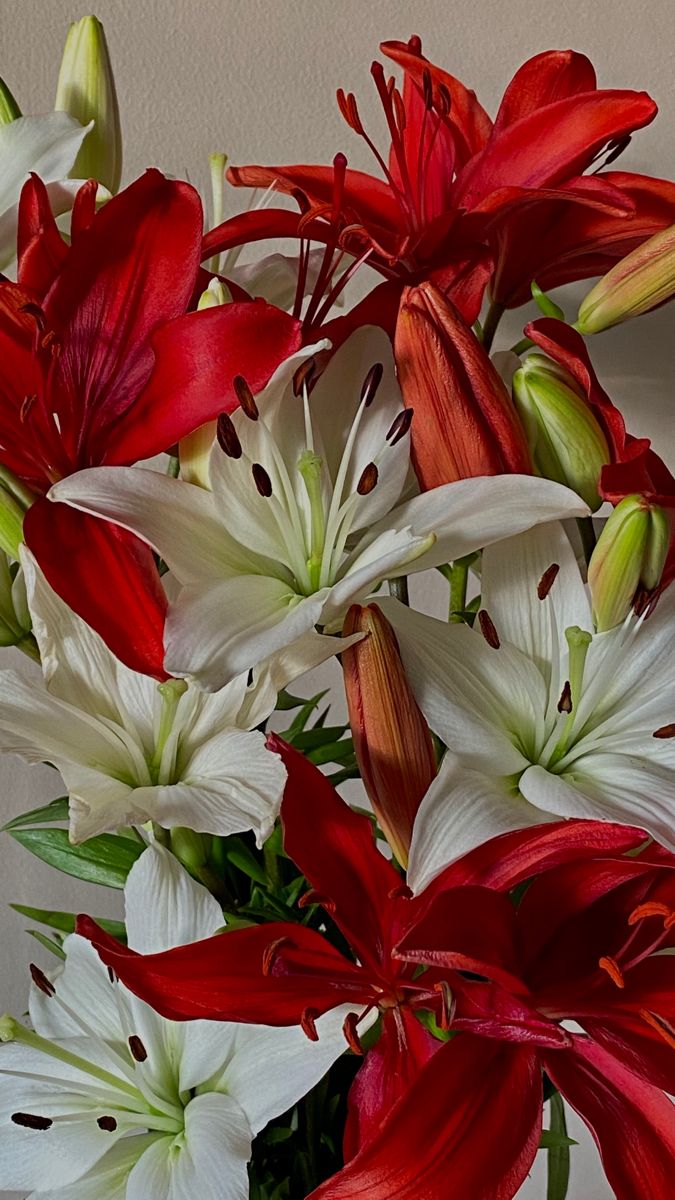
The Danger: Extreme danger to cats. Ingesting just two or three leaves, licking pollen, or drinking the vase water can cause rapid, often fatal, kidney failure without immediate, aggressive veterinary intervention.
Dogs: While less severe, lilies still cause oral irritation, vomiting, and diarrhea. All parts of the plant are highly toxic.
Prevention and Pet-Friendly Alternatives
Garber offered clear guidance on mitigating risks and choosing safer decorations:
Deterrents: “If you already have these plants and can’t remove them, pet-safe bitter sprays like Bitter Apple can be applied directly to leaves and stems. These non-toxic sprays taste extremely unpleasant to pets but won’t harm plants.” Note: These sprays should supplement, not replace, supervision.
Pet-Safe Alternatives: Families can still enjoy festive greenery with non-toxic options such as Christmas cacti, orchids, bromeliads, and roses (ensure all thorns are removed). High-quality artificial versions are also excellent substitutes for plants like mistletoe and holly.
“If you suspect your pet has consumed any part of a toxic plant, contact your veterinarian or emergency pet poison helpline immediately – don’t wait for symptoms,” Garber urged. “Early intervention can make the difference between a full recovery and a tragedy. The festive season should be joyful for every member of the family, including our four-legged friends.”

