

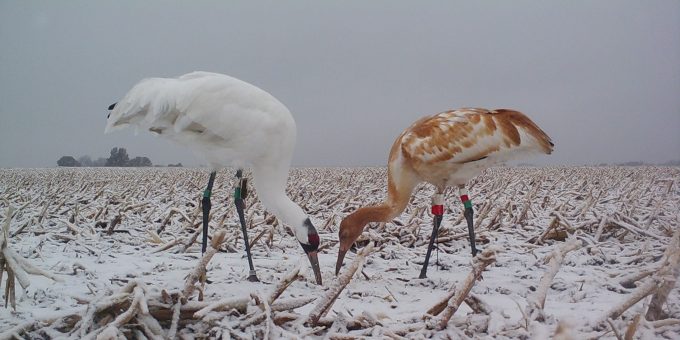
INDIANA – Indiana’s most endangered bird, the majestic whooping crane, is facing an ongoing battle for survival, and biologists are employing a highly unusual but successful tactic: costume rearing.
The species, which once dwindled to just 21 individuals in 1941, has rebounded to more than 800 birds globally today. However, the future of the whooping crane, especially the Eastern Migratory Population (EMP) to which all Indiana cranes belong, remains precarious. As of Fall 2025, the EMP numbers only 64 individuals.
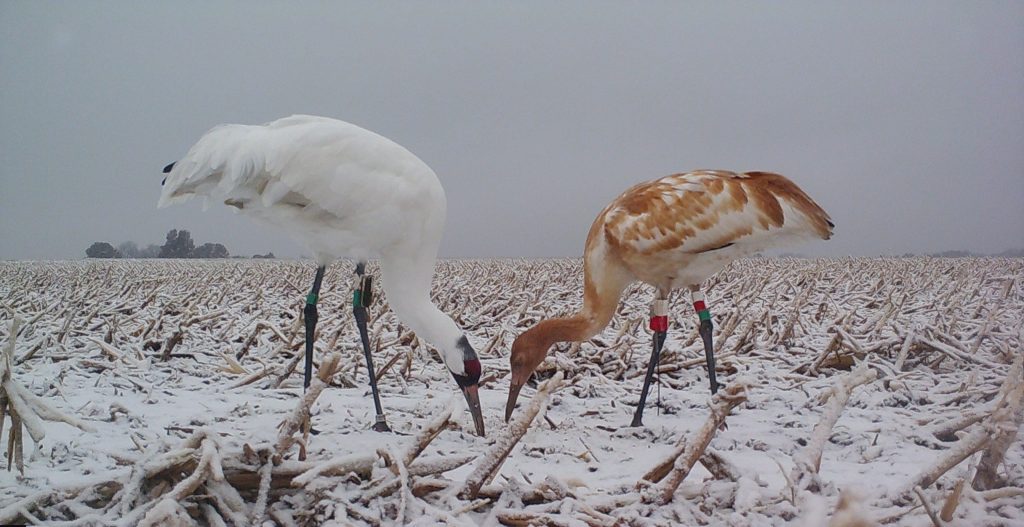
The Indiana Department of Natural Resources (DNR), in close partnership with the International Crane Foundation (ICF), is pioneering innovative conservation techniques. The most striking of these is costume rearing.
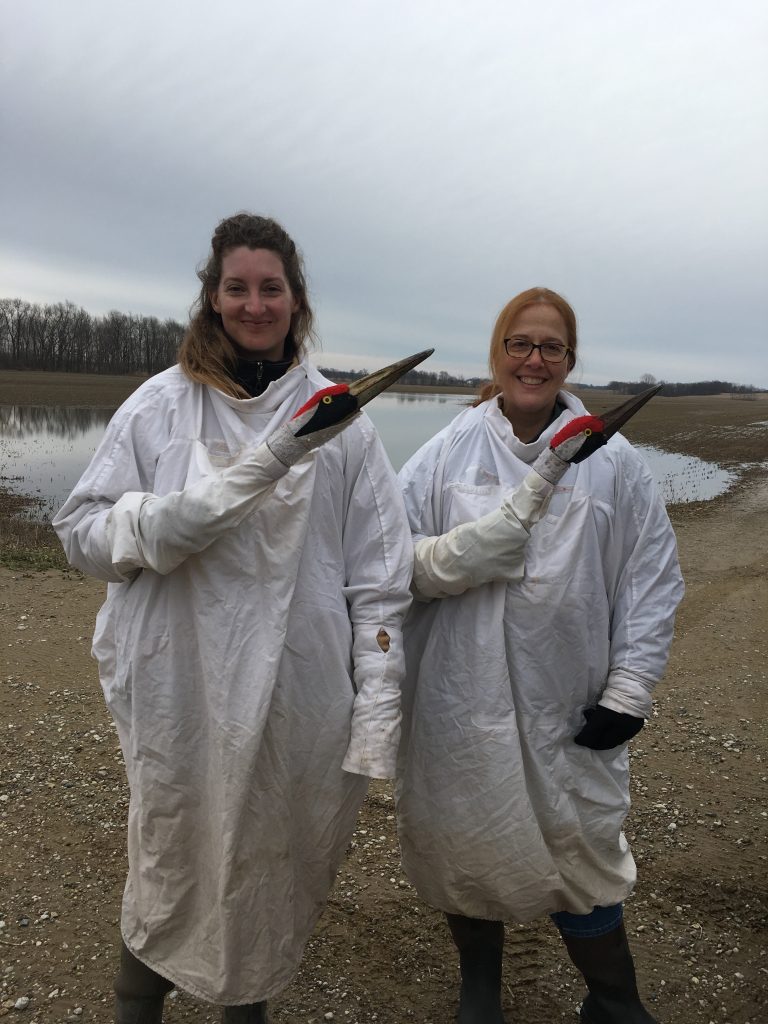
The method involves ICF staff raising young whooping cranes in captivity while deliberately preventing them from habituating to humans. Caretakers don full-body white costumes and manipulate a crane puppet in their hands to mimic the adult birds. By acting like adult cranes, the human form is masked, ensuring the chicks imprint on their own species rather than people.
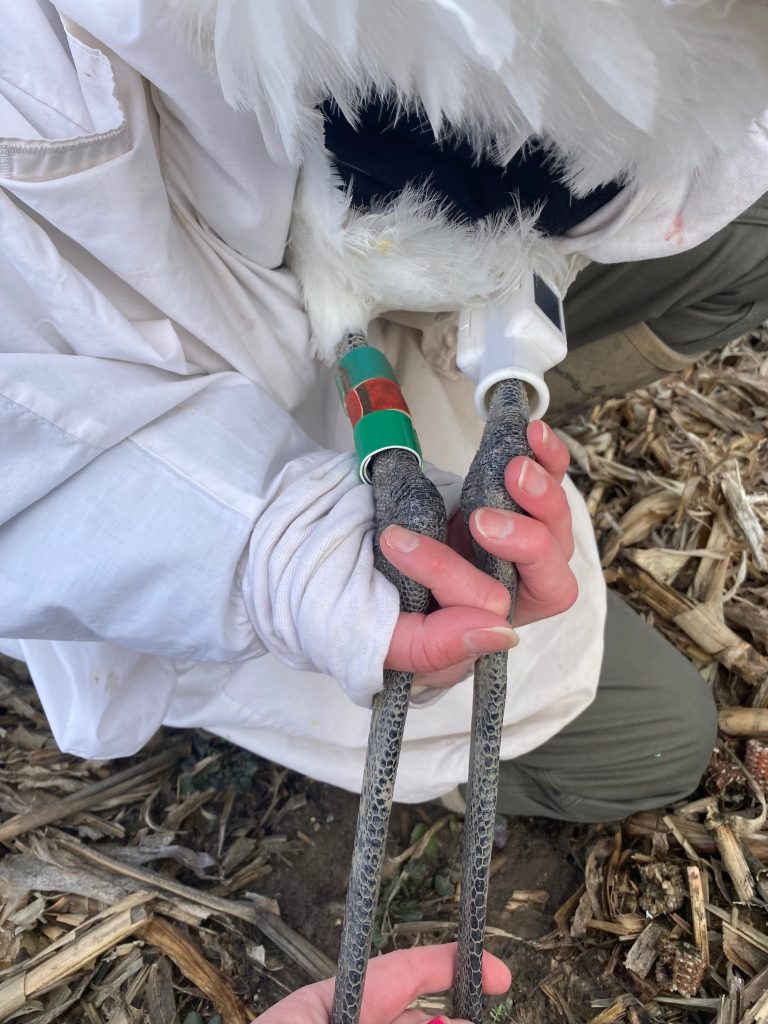
DNR biologists also utilize these specialized suits in the field. Wearing the costumes allows them to gather essential data and attach individualized leg bands without disturbing the rare birds or compromising their wild behavior.
The information collected from the leg-banded cranes is vital for science-based management decisions. This data helps biologists understand:
- How long do whooping cranes live?
- The formation and stability of their mates.
- Whether they consistently return to the same nesting and wintering areas, including suitable wetlands across Indiana’s public properties.
While it may seem strange for scientists to “become” the birds they study, this exceptional experience provides DNR a unique perspective into the cranes’ lives, which directly informs future research and habitat protection efforts in Indiana and across the flyway.
Despite dedicated conservation efforts, the whooping crane still faces significant challenges, including loss of wetland habitat, predation, collisions with powerlines and vehicles, poaching, and emerging threats such as highly pathogenic avian influenza.
The ongoing effort to track and manage this critically endangered population is costly. The DNR relies heavily on donations to the Indiana Nongame Wildlife Fund to support the staff and resources necessary for banding and monitoring.
The fate of the whooping crane rests on a blend of cutting-edge biology, dedicated fieldwork, and crucial public support, ensuring the iconic, five-foot-tall bird can continue its remarkable comeback.

