

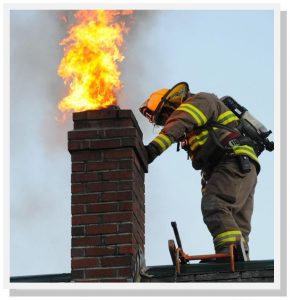
LAWRENCE CO. — As temperatures drop and homeowners prepare to ignite their wood-burning stoves and fireplaces, local firefighters are issuing a critical safety warning: clean your chimney every year to protect your home and loved ones.
Citing national fire safety guidelines, firefighters emphasize that a clogged or creosote-filled chimney poses a significant hazard, leading to hazardous fires, poor indoor air quality, and reduced heating efficiency.
The Silent Threat: Creosote and Blockages
The primary danger in a wood-burning chimney is the buildup of creosote, a highly flammable residue formed by unburned wood particles, tar, and smoke.
- Fire Risk: Creosote accumulates in layers, and if it reaches a thickness of 1/8 inch or more, it creates a high risk of a chimney fire. These fires burn intensely, often damaging the chimney structure and allowing flames to spread to the home’s attic or walls.
- Health Hazard: Blockages caused by creosote or animal nests prevent harmful combustion gases from escaping, posing a significant health risk. This can lead to deadly carbon monoxide (CO) poisoning, as the invisible, odorless gas is forced back into your living space. Symptoms can mimic the flu, making it especially dangerous.
- Efficiency: A dirty chimney restricts airflow, making your fire less efficient and causing it to smoke more, ultimately forcing you to spend more on wood to heat your home.
Safety Tips: Preparing Your Wood-Burning System
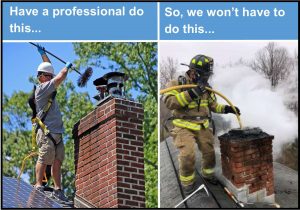
Fire safety experts recommend a thorough inspection and sweeping before the heating season begins. While many homeowners can perform a basic visual inspection, hiring a certified chimney sweep is essential for thorough cleaning and a comprehensive structural inspection.
Here are essential steps to ensure your system is ready:
- Annual Sweep & Inspection: Have a professional remove creosote and debris. The National Fire Protection Association (NFPA) recommends an inspection at least once per year.
- Check Alarms: Test all smoke detectors and carbon monoxide monitors, replacing batteries to ensure they are fully operational before you light your first fire.
- Inspect Structure: Look for crumbling bricks, missing mortar, or damaged chimney caps. A proper chimney cap is vital to keep out rain, leaves, and nesting animals (like squirrels and birds).
- Burn Seasoned Wood: Only burn seasoned hardwood (such as oak, ash, or maple) that has been split and dried for at least six months. Green or wet wood contains high moisture, which creates more smoke and accelerates the buildup of flammable creosote.
- Maintain Clearance: Ensure all flammable materials, including furniture, curtains, and rugs, are kept at least three feet away from the fireplace opening or wood stove.
By scheduling an annual chimney sweeping, you invest directly in the safety of your home and the health of your family.