

INDIANA – As winter draws in, AI tools are being trained to predict when our mood might drop. From smartwatches that track sleep and daylight exposure to chatbots offering cognitive-behavioral support, a new generation of “digital depression detectors” is promising early warnings for Seasonal Affective Disorder (SAD).
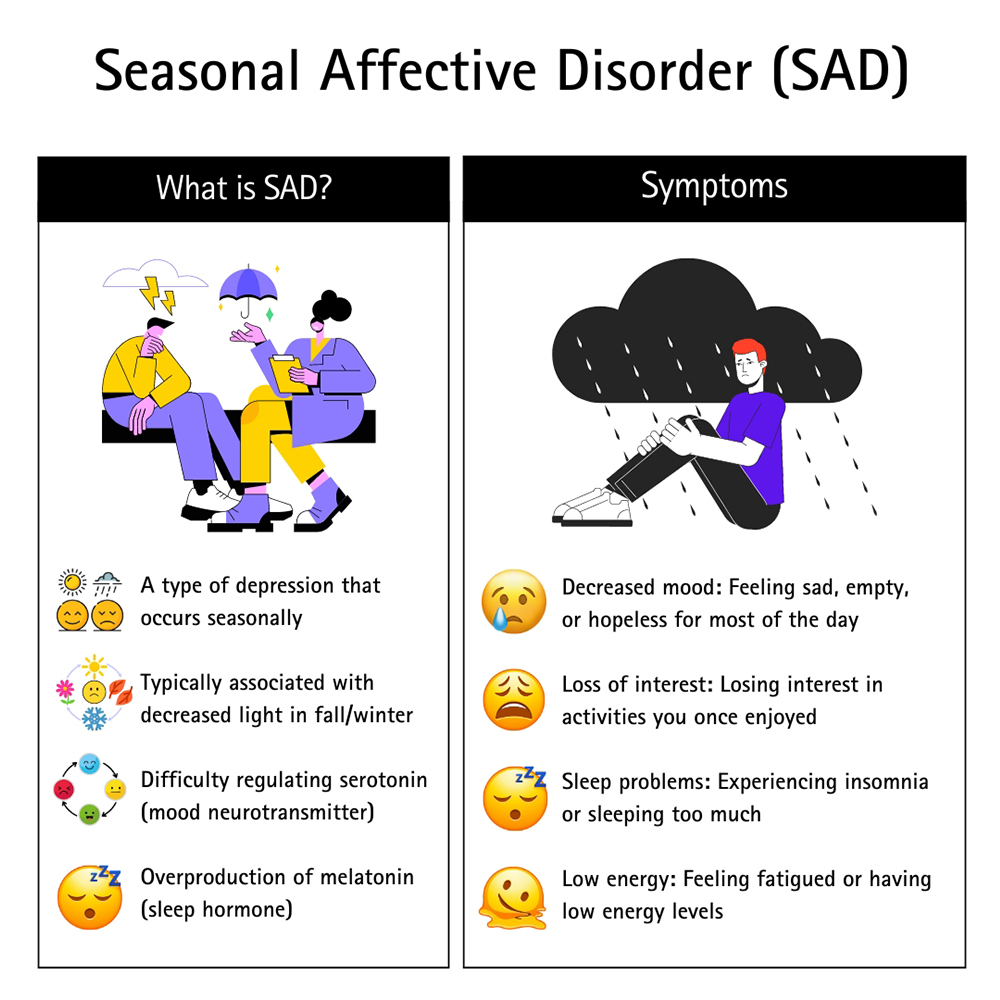
According to recent studies, AI-powered systems are now capable of identifying subtle patterns in behavior, such as changes in movement, social interaction, and sleep rhythms, weeks before depressive symptoms peak. But mental health professionals are questioning whether algorithms can truly grasp the human depth behind seasonal sadness.

“AI is a great tool for monitoring patterns, but it’s not a substitute for understanding why those patterns exist,” says Dr. Michael J. Salas, Licensed Professional Counselor–Supervisor and founder of Vantage Point Counseling in Dallas.
“Seasonal depression is about more than light exposure or sleep disruption. It’s about isolation, loss of energy, and emotional disconnection that often show up during the colder months. Technology can flag changes, but human connection is what helps people make sense of them and heal.”
Dr. Salas notes that while AI-based apps and wearable data can provide a valuable “check engine light” for mood health, therapy remains essential for addressing the underlying causes, especially for individuals whose SAD overlaps with trauma, addiction recovery, or intimacy issues.
How AI Is Being Used to Understand SAD
Research suggests AI can analyze data from wearable devices, such as sleep patterns, step counts, and sunlight exposure, to identify users at risk for winter-onset depression.
In one study, machine learning models were able to predict depressive symptom spikes up to three weeks in advance, based on changes in daily routines.
Digital mental health platforms like Wysa and Doctronic.ai are integrating seasonal mood tracking to help users maintain emotional balance throughout darker months.
However, experts caution that while these tools show promise, they must be paired with real-world interventions, such as therapy, light exposure, and lifestyle support, to make a truly meaningful difference.
Dr. Salas on the Emotional Side of AI Therapy
“When people rely too heavily on technology for comfort, it can actually reinforce emotional avoidance,” Dr. Salas explains. “AI can give reassurance, but it doesn’t challenge distorted thinking or help someone process grief or shame. These are things that often surface with seasonal depression. That’s where human guidance matters most.”
He adds that therapy can help individuals identify whether their mood changes stem from environmental factors or deeper, unresolved issues that resurface seasonally.
As more Americans report using AI chatbots for emotional support and as wearable data becomes part of digital health tracking, the line between self-help and professional care is blurring. While technology can empower early intervention, experts like Dr. Salas urge users not to confuse detection with treatment.
“Technology can help us notice when we’re struggling,” says Dr. Salas. “But healing still happens in the space where we’re seen, heard, and understood by another person.”

