

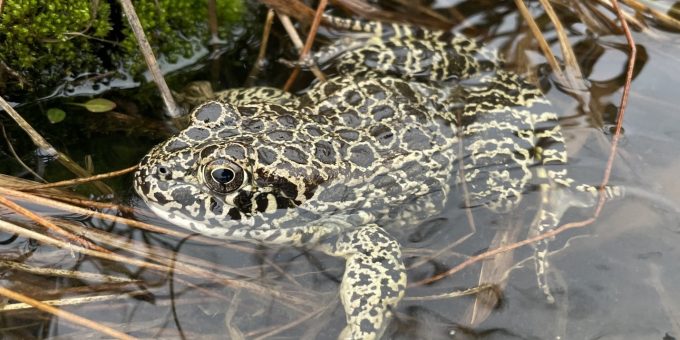
SOUTHWEST INDIANA — The Indiana Department of Natural Resources (DNR) is accelerating conservation efforts for the state’s endangered crawfish frog by constructing new wetland habitats at two Fish & Wildlife Areas (FWAs) in the southern part of the state.
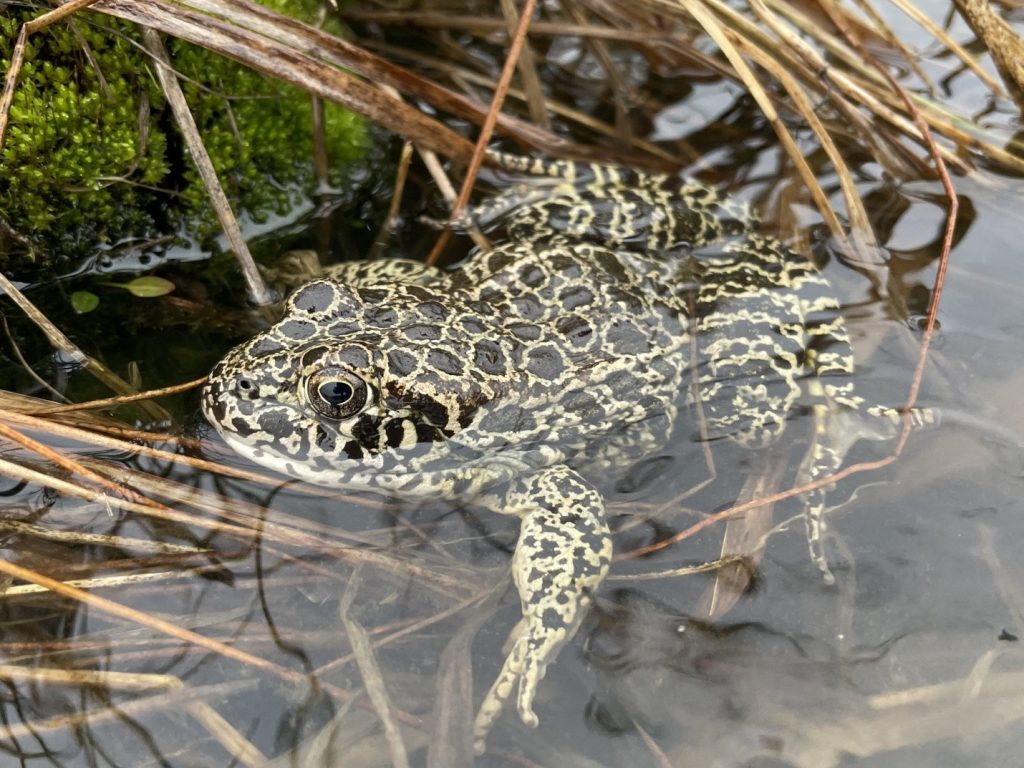
DNR herpetologists and property managers recently collaborated to complete five ephemeral wetlands at a targeted portion of the Sugar Ridge Fish & Wildlife Area (FWA) in Pike County. The project is part of a larger strategy aimed at recovering the rare species within southwest Indiana.
Crawfish frogs are unique: they spend most of their lives tucked away inside crawfish burrows. However, their survival depends entirely on temporary wetlands, as they must migrate there each spring to mate and lay eggs, which allows the aquatic tadpole stage of their life cycle to complete.
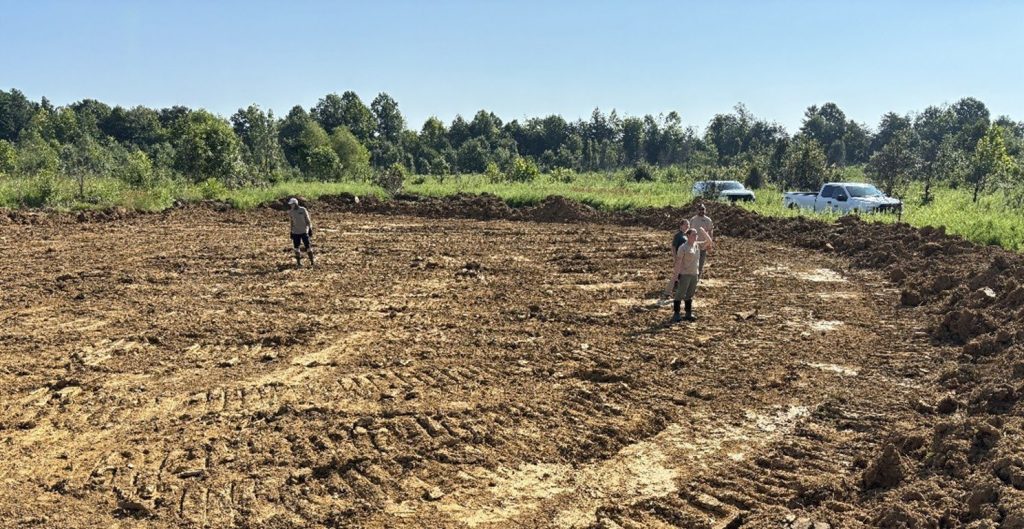
The location at Sugar Ridge FWA was selected following a habitat suitability study funded by the Indianapolis Zoo, which identified ideal open, grassy terrain and existing crawfish burrows. The newly constructed wetland basins are already beginning to fill with water and are expected to be ready to receive eggs and tadpoles by spring 2026.
To source the eggs for this new population, they will be collected from Hillenbrand FWA in Greene County, which currently supports a large population of crawfish frogs.
In addition to creating the new breeding grounds at Sugar Ridge, the DNR is also constructing supplementary wetlands at Hillenbrand FWA. These new areas will help fortify the existing population by providing alternative habitats in areas where wetlands are lacking or drying out too quickly.
The DNR noted that the creation of these new habitats will not only support the crawfish frog but will also benefit many other native wildlife species that rely on wetlands to thrive. This project is supported through State Wildlife Grants and donations made to the Nongame Wildlife Fund.