

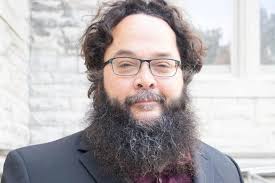
BLOOMINGTON — The Director of Student Media at Indiana University, Jim Rodenbush, has been ousted by the Media School after he allegedly refused to comply with a directive to censor an upcoming print edition of the student newspaper, the Indiana Daily Student (IDS).
Rodenbush’s termination came immediately after he and IDS editors challenged the order, which mandated that the October 16 Homecoming print edition contain “no news” and stick only to “information about homecoming.”
In a statement to IDS editors, Media School Dean David Tolchinsky cited Rodenbush’s “lack of leadership and ability to work in alignment with the University’s direction for the Student Media Plan” as the reason for his termination.
The IDS editorial staff is rallying behind Rodenbush, calling the directive an act of censorship that violates their editorial independence.
“Telling us what we can and cannot print is unlawful censorship, established by legal precedent surrounding speech law on public college campuses,” said IDS editors Andrew Miller and Mia Hilkowitz in a Letter from the Editor.
Editor Miller further stated: “The Media School decided to fire Jim Rodenbush after he did the right thing by refusing to censor our print edition. … This is a deliberate scare tactic toward student journalists and faculty.”
The editors clarified that their resistance is not about the medium but about maintaining their independence, arguing that IU has “no legal right to dictate what we can and cannot print.”
Indiana University declined to comment on the individual personnel matter. However, the university issued a statement maintaining its commitment to a “vibrant and independent student media ecosystem.”
IU said its 2024 Action Plan for Student Media involves “shifting resources from print to digital media” to address a “longstanding structural deficit at the Indiana Daily Student.” The university added that “Editorial control remains fully with IDS leadership.”
This incident is the latest in recent months to draw scrutiny to IU’s handling of free speech. In September, the university was named the country’s worst public university for free speech by the Foundation for Individual Rights and Expression, a rating tied mainly to its response to pro-Palestinian protests earlier this year.

