

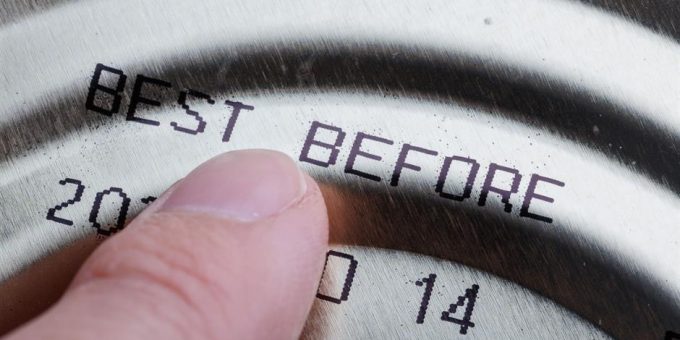
INDIANA – If you’ve ever found yourself tossing out a perfect container of yogurt because the “Use By” date passed, you’re not alone. The array of phrases stamped on U.S. food packaging is notoriously confusing, resulting in significant amounts of unnecessary food waste.
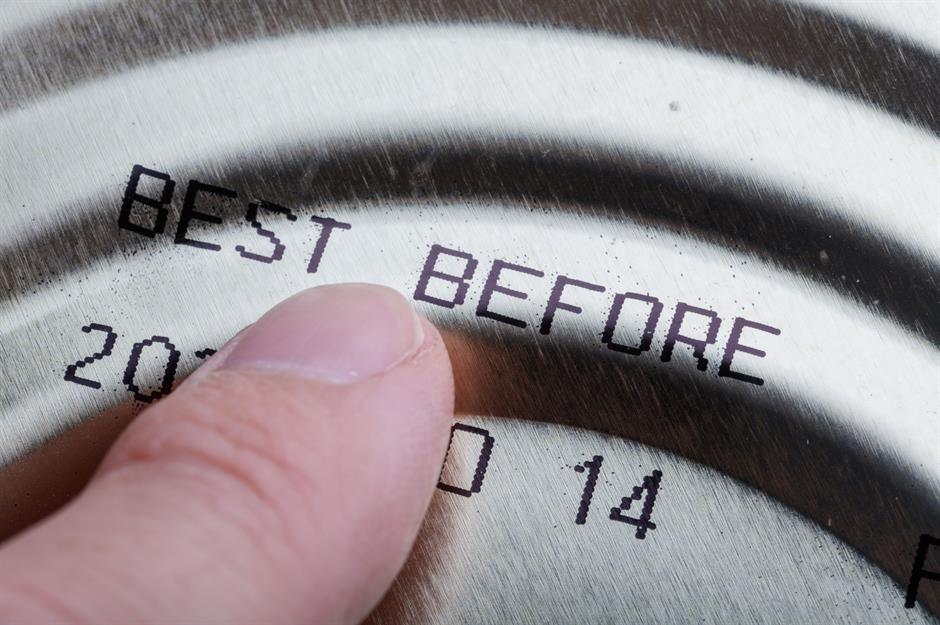
Experts say this confusion is costing consumers and the environment dearly: most dates are actually a measure of quality, not a signal of safety.
Quality vs. Safety: What the Labels Mean
In the U.S., there are approximately 50 versions of date labels, and the lack of a national standard is the primary source of inconsistency. Unless you are dealing with infant formula (the one product with federally regulated safety dates), the numbers on your package are unlikely to be a warning that the food is dangerous to eat.
Instead, most of the phrases are simply the manufacturer’s best estimate of when a product will reach its peak flavor or texture.
Here is a breakdown of what the most common phrases generally mean, according to the USDA and FDA:
- “Best if Used By/Before”: This is a quality indicator. It indicates when a product will have the best flavor or quality. It is not a safety date.
- “Sell-By”: This is an instruction for the store to help manage inventory and rotation. It is not a safe date for consumers.
- “Use-By”: This is the last date a manufacturer recommends for peak quality. While consumers often mistake this for a definitive safety date, it is generally not a safety date except when used on infant formula.
- “Expires On”: This label is rare but should be followed when present, especially for products such as infant formula.
The USDA and FDA have been encouraging food manufacturers to voluntarily standardize their labels, using “Best if Used By” to indicate quality and “Use By” to indicate a genuine safety concern. However, the decision remains voluntary, allowing confusion to persist. The bipartisan Food Date Labeling Act has been proposed to try to establish a uniform national system.
Your Senses are the Safest Guide
While proper handling (keeping perishables refrigerated below 40°F) is critical, experts urge consumers to trust their senses over the printed date to reduce waste.
Shelf-stable foods (like canned goods) and frozen foods often remain safe well past the date on the package because bacteria cannot grow in the freezer.
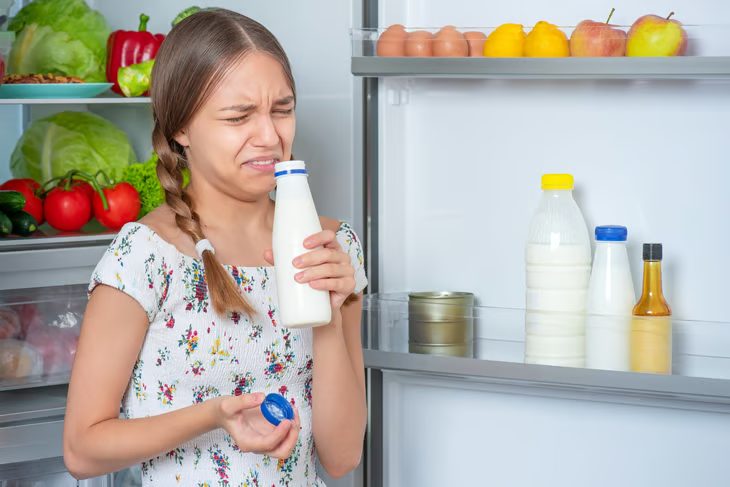
For highly perishable items like milk, cheese, and fresh produce, spoilage bacteria will cause noticeable changes. If an item looks, smells, or feels off, or has a change in texture, it’s time to discard it. However, if that yogurt is past the printed date but looks, smells, and tastes fine, it’s likely safe to eat.
By understanding that most dates are a measure of quality, not safety, consumers can make smarter decisions, potentially saving money and significantly reducing the estimated 20% of household food waste attributed to date label confusion.

