

INDIANA – Counterfeit goods have evolved from back-alley deals to a sophisticated global crisis, with an estimated $467 billion in fake products circulating in international trade in 2021. According to a new report from the Organisation for Economic Co-operation and Development (OECD) and the European Union Intellectual Property Office (EUIPO), counterfeiters are now seamlessly integrated into online marketplaces, making it increasingly difficult for consumers and businesses to distinguish between genuine and counterfeit products.
The report indicates that while clothing, footwear, and leather goods remain the most targeted sectors, counterfeiters are expanding into nearly every area of daily life. This includes hazardous fakes such as automotive parts, medicines, cosmetics, and toys, which pose a serious risk to consumer health and safety.
Abigail Wright, a business analyst at ChamberofCommerce.org, says that the actual cost of counterfeiting goes beyond lost sales. “Counterfeit goods don’t just steal profits, they steal trust,” she says. “When a consumer buys a fake and it breaks or fails, they rarely blame the counterfeiter. They blame the brand.”
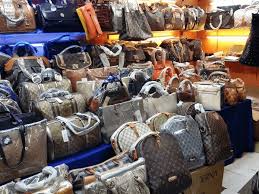
For small and mid-sized companies, the fight against fakes is an uphill and costly battle. To combat this issue, Wright offers several strategies for businesses:
- Educate customers: Teach customers how to identify fakes and encourage them to purchase only from verified sellers.
- Leverage technology: Utilize tools such as serial numbers, QR codes, or blockchain to assist customers in authenticating products.
- Monitor online platforms: Proactively search for and request the takedown of counterfeit listings.
- Build consumer trust: by being transparent about your supply chain and offering explicit product guarantees to reassure buyers.
Wright emphasizes that the long-term solution requires a collaborative effort. “Companies must work together with regulators, marketplaces, and even payment processors to shut down counterfeit operations,” she adds. “But at the end of the day, consumers need to understand that buying fake products isn’t harmless; it funds illegal industries and damages the businesses they love.”

