


MARYLAND — Health officials have confirmed the first travel-associated human case of the New World screwworm—a flesh-eating parasite—in the United States in several years.
The individual, a Maryland resident, recently returned from El Salvador and was diagnosed on August 4, 2025, according to the U.S. Department of Health and Human Services. The diagnosis was confirmed by the Centers for Disease Control and Prevention (CDC), working with the Maryland Department of Health.
HHS spokesperson Andrew G. Nixon said, “The risk to public health in the United States from this introduction is very low,” emphasizing the rarity of such cases in humans.
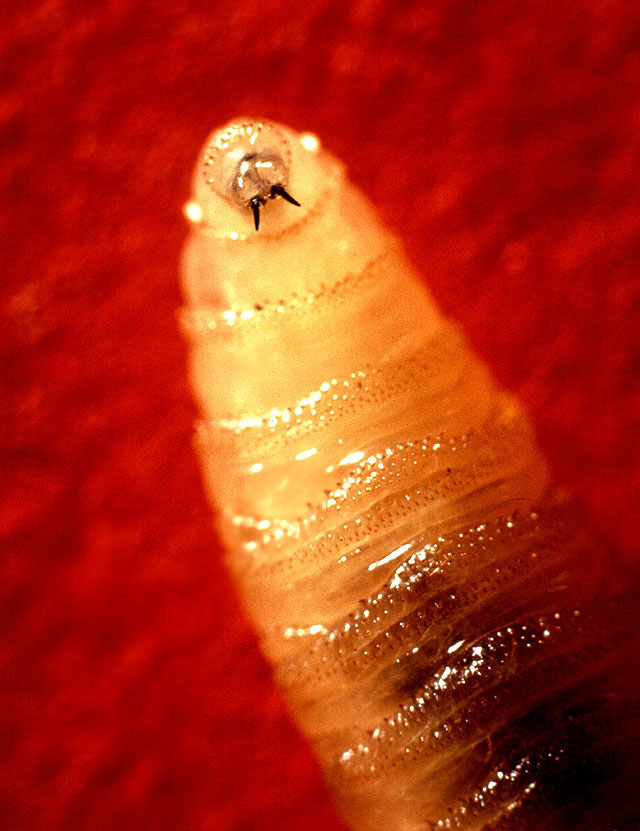
Screwworm larvae infest wounds in warm-blooded animals—including humans—and can be fatal if untreated, though early diagnosis and medical intervention are typically effective. The parasite was largely eradicated from the U.S. in the 1960s through the release of sterile male flies, but recent outbreaks in Central America and Mexico have raised concerns.
In response, the U.S. Department of Agriculture (USDA) is moving to establish a sterile‑fly production facility in Texas as part of a broader strategy to curb reemergence. The plan follows previous halts to cattle imports from Mexico and reflects rising industry anxiety about potential livestock infestations.
Officials are closely monitoring the situation and coordinating efforts across public health and agricultural agencies to minimize risk.