

INDIANA – As the Fourth of July approaches, many pet owners face a familiar challenge: BetterPet.com offers these ways to help your dogs cope with the stress of fireworks.
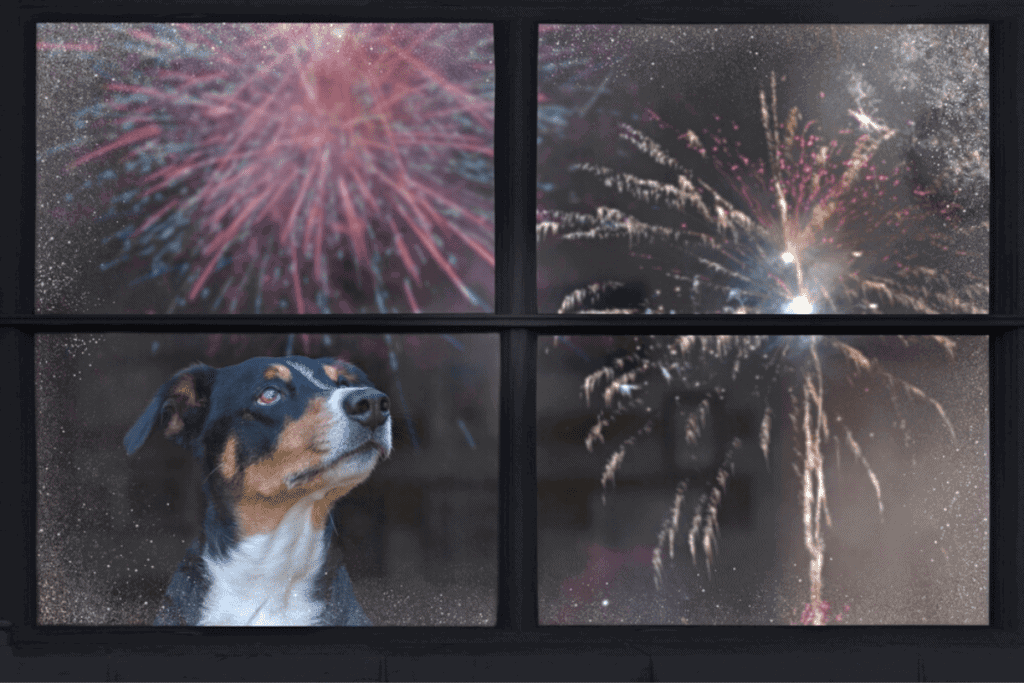
Noise phobia is a common issue for dogs, with loud, unpredictable sounds triggering anxiety, fear, and even phobias. Understanding how to prepare and react can make a significant difference for your pet’s well-being during the holiday season.
Symptoms of Noise Anxiety in Dogs: Watch for signs of distress, such as flattened ears, lip licking, yawning, wide pupils, restlessness, excessive barking or whining, refusal to go outside, escape attempts, excessive panting, drooling, shaking, hiding, vomiting, destructive behavior, or unusual clinginess. In rare cases, severe overstimulation can even lead to seizures or inappropriate urination/defecation.

Nine Steps to Keep Your Dog Safe and Calm:
- Plan Ahead: Once a dog becomes stressed, it isn’t easy to calm them. Develop a strategy for fireworks season well in advance, as the period of noise can extend days before and after the Fourth of July.
- Stay Calm Yourself: Dogs are highly attuned to human emotions. Your anxiety will only heighten theirs. Projecting a calm demeanor can help reassure your pet.
- Consult Your Vet: For particularly anxious dogs, a veterinarian can offer tailored advice, including prescription medication to ease anxiety. They can also suggest drug-free options, such as calming treats (e.g., Solloquin), pheromone products, or natural remedies (e.g., Rescue Remedy). Always consult your vet before administering any medication or supplement.
- Use a Pressure Wrap or Vest: Products like ThunderShirt apply gentle, comforting pressure, similar to a hug, which can help some dogs feel more secure. Ensure proper fit and introduce it before the stressful event.
- Play Calming Sounds: Use white noise, soothing music, or even a TV or radio to help mask the sound of fireworks. While you may not be able to block out the noise altogether, increasing calming sounds can be beneficial.
- Tire Them Out: A well-exercised dog is a calmer dog. Take your dog for a long walk or engage in active play earlier in the day to expend energy before fireworks typically begin. Always keep them leashed.
- Create a Safe Space: Provide a cozy, secure retreat where your dog feels at ease, such as a designated area or a kennel. Close windows and doors, and cover windows to block out flashing lights. Offer treats and toys within this space.
- Lead by Example (Carefully): If your dog is comfortable around other calm dogs, spending time with them during noisy situations might help. However, always assess their comfort level before leaving them together.
- Remember Their Fear: Understand that noise aversion is not misbehavior; your dog is genuinely terrified by unfamiliar, loud sounds. React with reassurance and try to mitigate the situation rather than becoming angry or upset.
Additional Safety Measures:
- Microchip Your Pet: The Fourth of July is the peak day for lost pets. A microchip increases the chances of reunion even if collars and tags are lost. Keep registration current.
- Sign up for FidoAlert: This service provides quick notification via text if your pet goes missing, allowing rescuers to scan a QR code on the tag. A staggering 10 million dogs and cats go missing each year, and on the 4th of July, more pets go missing than on any other night of the year. You can see more information here.
- Keep Them Indoors: This prevents escapes and helps reduce their noise exposure.
- Crate Your Dog: If your dog is prone to destructive behavior or escape attempts, a crate can offer a sense of security, as dogs are naturally den animals.
Desensitization Training: For long-term relief, consider “bang training” or desensitization. This involves gradually exposing your dog to low-level loud noises while associating them with positive experiences, like play and treats. The goal is to teach them that loud sounds do not equate to bad things. This requires patience and repetition.
Ultimately, a well-thought-out plan, veterinary consultation, and understanding your dog’s fear are key to a safer and calmer holiday for both you and your beloved companion.

