


WASHINGTON, D.C. – In a significant reversal of recent trends, egg prices in the United States experienced a dramatic 12.7% decline last month, according to a Tuesday report from the Bureau of Labor Statistics. This marks the most significant monthly drop in egg prices since 1984.
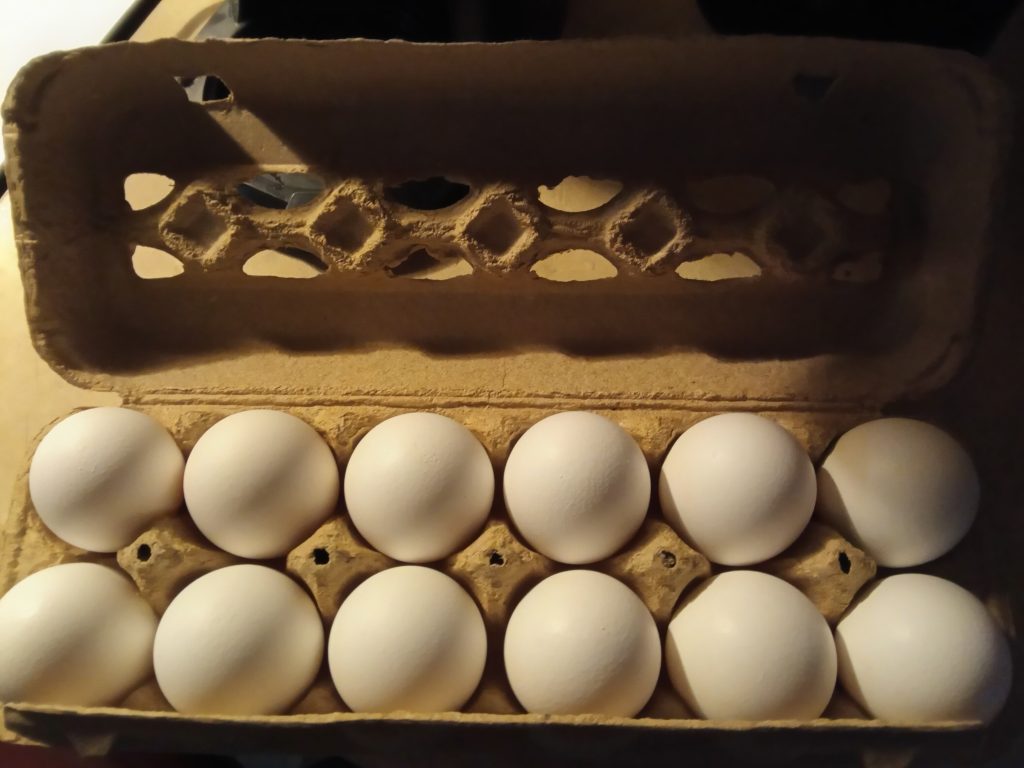
Adding to this downward trend, the U.S. Department of Agriculture (USDA) reported last week that the average cost of a dozen large white-shell eggs was $3.30, a substantial decrease of 69 cents compared to the previous week.
This price decrease comes after a sustained period of surging egg costs over the past five months, and in 17 of the last 19 months. The price spikes were primarily attributed to a deadly avian flu epidemic that led to the widespread culling of egg-laying hens, creating supply shortages.
Despite the recent drop, egg prices remain considerably higher than before the latest bird flu outbreak. Last month’s prices were still 49.3% higher than they were a year prior, and according to the BLS, eggs are still more expensive than they were when President Trump took office. Earlier this year, egg prices reached record highs for Easter, a period when prices typically increase.
In February, the USDA announced an initiative to lower egg prices. This included measures to enhance biosecurity on egg farms, aid farmers who lost flocks due to the avian flu, and temporarily ease restrictions on egg imports.
The USDA now reports that consumer egg prices have finally decreased as demand has fallen and cases of avian flu have declined. Previously, many grocery stores, including major chains like Costco, had implemented limits on the number of eggs customers could purchase due to shortages.

