

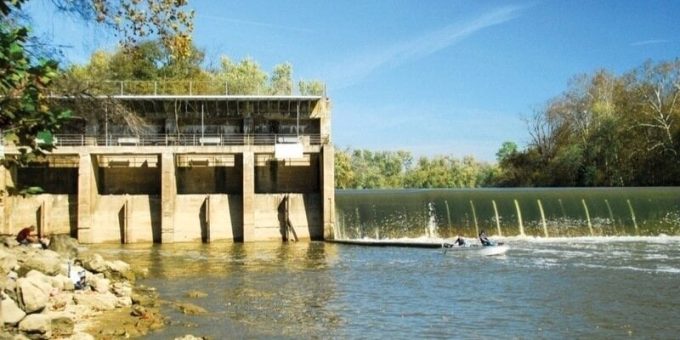
BEDFORD— The future of the historic Williams Dam remains uncertain as state officials weigh options for its repair or removal. The more than 100-year-old dam is showing signs of wear, prompting a feasibility study to assess potential paths forward — including full or partial removal.
Bedford Mayor Sam Craig voiced concerns about the impact on the city’s water supply if the dam is removed.
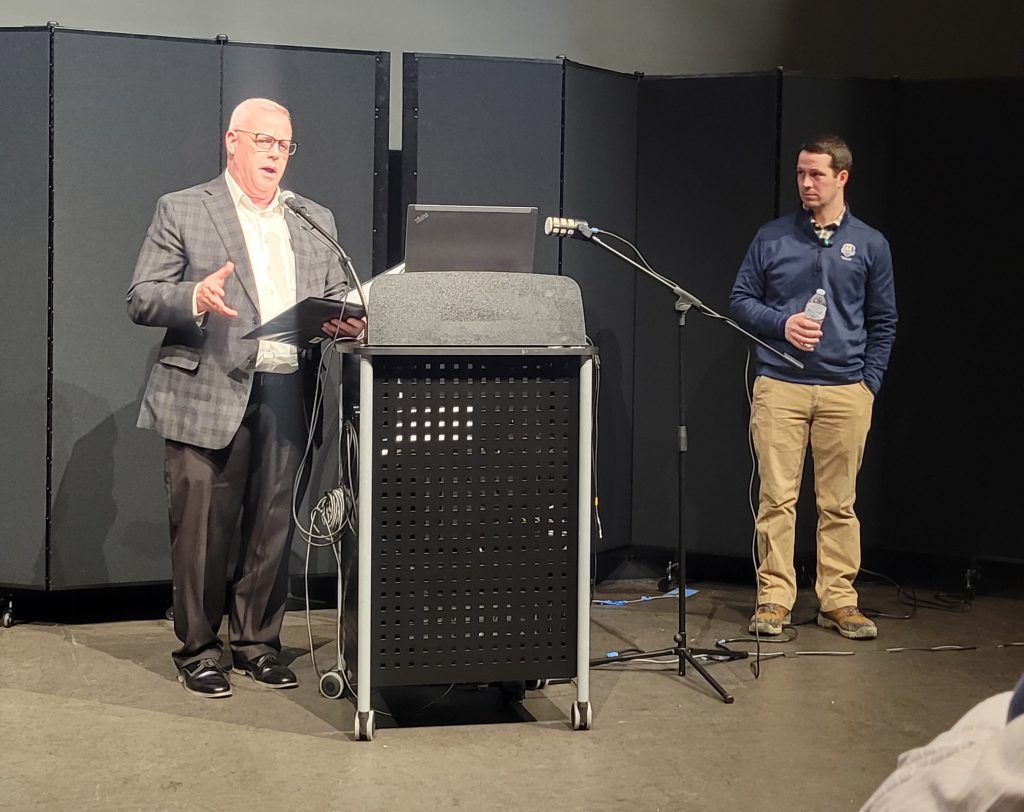
“As mayor, I am concerned about what our water supply will look like in the future, the next 50 years,” Craig said. “If the dam comes down, water levels will change drastically, and that could have serious consequences for the city.”
The Indiana Department of Natural Resources (DNR) is conducting the feasibility study in partnership with SWCA Environmental Consultants. The study is examining safety impacts, river water levels, groundwater wells and public water intake, stream sediment, aquatic passage, wildlife habitat, recreation, and local economics.
“The dam is needing repairs,” said Doug Nusbaum with the Indiana DNR. “There is no grant money out there or anything to repair dams, but there is money to modify or remove them. This dam currently needs work, and it felt like the right time to conduct this study to explore alternatives.”
Officials have outlined three possible outcomes:
- No action
- Full removal of the dam
- Partial removal of the dam
For many residents, the idea of losing the dam is difficult to accept. Amy Amstutz-White, who runs a bait shop near the dam, a staple in the Williams community for many years, said the site holds deep personal and community significance.
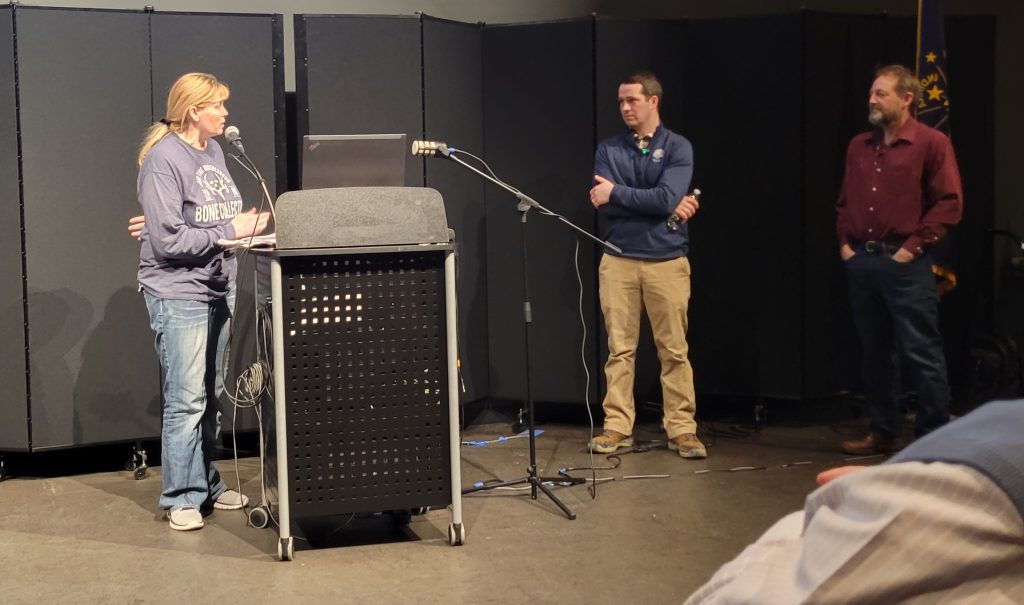
“I have lived there my entire life, as well as my entire family,” White said. “We grew up fishing, swimming, boating, and enjoying the recreation at Williams Dam. When I think about that disappearing, it just makes me really sad.”
Amstutz-White started a petition to preserve the dam, which has already gained over 10,000 signatures on paper and more than 1,000 online.
“There are people from all over Indiana and even from other states signing this petition,” she said. “Nobody wants to see it go.”
While the study is ongoing, experts have noted potential benefits to removing the dam, including improved water quality and reduced safety risks. In its lifetime, the dam has been linked to eight deaths, the most recent in 2020.
However, removing the dam could negatively affect recreational fishing.
“It’s a popular fishing area,” Nusbaum said. “If the dam comes down, the fish wouldn’t stack up there like they do now, making it harder to catch fish.”
Tuesday night marked the second of three public meetings on the dam’s future. Officials stressed that no final decision has been made and encouraged residents to continue sharing their thoughts.
“Nothing has been decided,” Nusbaum said. “Please keep an open mind as we move through this study, come out to the third meeting, and voice your opinion.”
The next public meeting is expected to take place this summer.

