

INDIANA – While both men and women often experience classic stroke symptoms, medical experts emphasize that women frequently exhibit less obvious or atypical warning signs that can easily be mistaken for exhaustion, stress, or minor ailments.
Classic vs. Atypical Symptoms
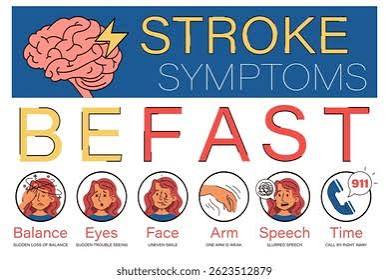
The standard warning signs of a stroke are best remembered by the acronym BE FAST:
- B – Balance: Sudden dizziness, loss of balance, or trouble walking.
- E – Eyes: Sudden blurred or lost vision in one or both eyes.
- F – Face: One side of the face drooping.
- A – Arms: Weakness or downward drift in one arm.
- S – Speech: Slurred speech, unusual phrasing, or difficulty communicating.
- T – Time: Call 911 immediately if these signs appear.
In addition to these classic indicators, women are more likely to experience atypical symptoms, including sudden confusion or disorientation, severe headaches, unexplained fatigue, nausea, hiccups, shortness of breath, and a racing heartbeat.
Medical professionals note that women’s strokes are sometimes underrecognized by the public and emergency room personnel alike. Contributing factors can include higher rates of strokes linked to atrial fibrillation (which tend to cause greater drowsiness or confusion) and vulnerability during specific life stages such as pregnancy, the postpartum period, or postmenopause while undergoing estrogen therapy.
Why Every Minute Counts
When a stroke occurs, brain tissue loses an estimated 1.9 million neurons for every minute it goes without blood flow, making rapid intervention critical.
If a stroke is suspected, experts urge people to call 911 immediately rather than driving to the hospital, as paramedics can begin treatment en route and notify the emergency department. Time-sensitive treatments include IV clot-busting medications—which must typically be administered within three to four and a half hours of symptom onset—and mechanical thrombectomy procedures to remove blood clots, which are generally performed within six hours but can sometimes be extended up to 24 hours based on brain imaging. First responders will also ask for the patient’s “last known normal” time to help medical teams determine the safest and most effective course of treatment.