

WASHINGTON — Local healthcare officials have confirmed a laboratory-tested case of measles in Daviess County, adding to a growing total of infections reported across Indiana.
The Daviess County Health Department confirmed the local diagnosis on Tuesday, November 10. The notification coincides with broader statewide data from Good Samaritan Hospital, which indicates state health officials logged 145 confirmed cases across Indiana as of November 9.
In response, Daviess Community Hospital is coordinating with local and state public health authorities to manage containment efforts and monitor potential exposure risks.
Infection Risks and Symptoms
Measles is a highly contagious airborne virus that spreads through coughing, sneezing, and breathing. The virus can linger in the air of an enclosed room for up to two hours after an infected individual leaves the space.
Public health guidance highlights several hallmark symptoms to watch for:
- Early Symptoms: High fever, persistent cough, runny nose (coryza), and red, watery eyes (conjunctivitis).
- Koplik Spots: Tiny white spots inside the mouth that may appear 2 to 3 days after symptoms begin.
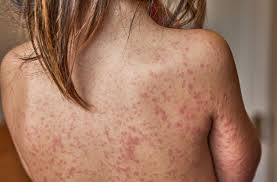
- Characteristic Rash: A red, blotchy rash that typically starts on the face near the hairline and spreads downward to the neck, trunk, arms, legs, and feet.
Medical Directives for Residents
Healthcare providers stress that anyone experiencing symptoms or suspecting exposure must call ahead before visiting any clinic, urgent care center, or emergency room.
Walking into a facility without prior notice risks exposing vulnerable patients and medical staff in waiting areas. Calling in advance enables medical staff to direct patients to designated entry points or take necessary isolation precautions immediately upon arrival.
Vaccination and Prevention
Health officials maintain that the Measles, Mumps, and Rubella (MMR) vaccine is the single most effective defense against infection:
- Efficacy: Two doses of the MMR vaccine are approximately 97% effective at preventing measles; one dose is about 93% effective.
- Community Protection: High vaccination rates create herd immunity, preventing wider transmission to infants under 12 months, pregnant women, and immunocompromised individuals who cannot receive the vaccine.
Residents unsure of their vaccination status should contact their primary care physician or the local health department to check their immunization records or schedule a booster.