

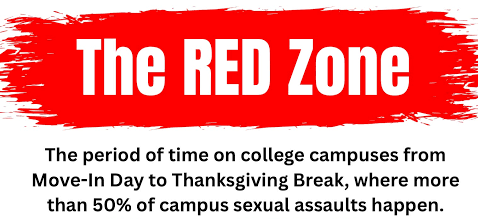
TERRE HAUTE — As the fall semester gets underway, Indiana State University is sounding the alarm on the “Red Zone”—a critical, high-risk period during the first few months of college when instances of sexual violence on campuses nationwide reach their peak.
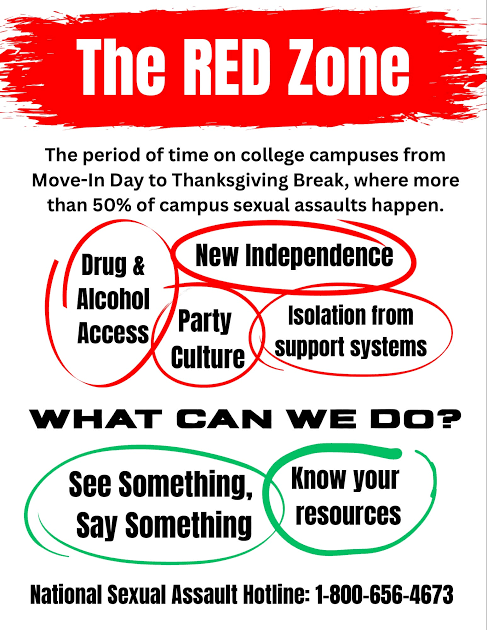
University officials and Title IX staff are using the window to push for a broader cultural shift, emphasizing that campus safety depends on collective responsibility rather than relying solely on individual risk-reduction tips.
Understanding the ‘Red Zone’
Experts define the “Red Zone” as the timeframe stretching from the start of fall move-in through Thanksgiving break.
According to data from the Rape, Abuse & Incest National Network (RAINN) and national campus climate studies, more than 50% of all campus sexual assaults reported annually occur during these critical autumn months.
First-year students are disproportionately vulnerable during this time as they navigate new social environments, unfamiliar surroundings, increased independence, and novel party cultures often involving alcohol.
Rather than framing prevention strictly around personal precautions—such as watching one’s drink or walking in groups—ISU administrators are calling for active bystander intervention and a shared commitment from the entire student body.
Campus Resources & Title IX Procedures
ISU officials stress that support is available for anyone affected by sexual assault, harassment, or dating violence. Students who experience misconduct are encouraged to reach out to the Title IX office located in Rankin Hall or report the incident to any trusted faculty or staff member.
Under federal Title IX regulations, higher education institutions are mandated to formally investigate claims and provide supportive measures to complainants.
At Indiana State, formal reports follow a structured, multi-step administrative process:
- Reporting & Initial Outreach: The Title IX office connects the individual with supportive resources (counseling, academic accommodations, or medical care) and reviews options for formal reporting.
- Investigation & Hearing: Trained investigators gather statements and evidence. Matters then proceed to a live hearing.
- Panel Review & Determination: A panel of trained faculty and staff members presides over the hearing, where both parties have an opportunity for cross-examination via advisors. The panel then deliberates and issues a formal written determination.