


INDIANA — The Centers for Disease Control and Prevention (CDC) is highlighting the foundational role school environments play in shaping the long-term physical, mental, and academic well-being of American youth.

With U.S. schools reaching more than 95% of children aged 5 to 17 for approximately six hours each day, educational institutions influence 13 pivotal years of student development. Federal health officials emphasize that healthy students perform better academically, creating a feedback loop that leads to lifelong health benefits.
Why School Health Programs Matter
Schools serve as an optimal venue to teach wellness habits and establish supportive environments. Key areas of impact include:
- Nutrition and Exercise: Providing access to balanced meals and opportunities for daily physical activity.
- Chronic Disease Management: Assisting students in managing long-term conditions, such as asthma, diabetes, epilepsy, food allergies, and oral health concerns.
- Lifelong Behavior: Establishing health-promoting policies and practices that support students into adulthood.
The WSCC Framework
To achieve these goals, the CDC utilizes the Whole School, Whole Community, Whole Child (WSCC) framework. This student-centered model connects health and education by drawing on community resources and emphasizing evidence-based policies.
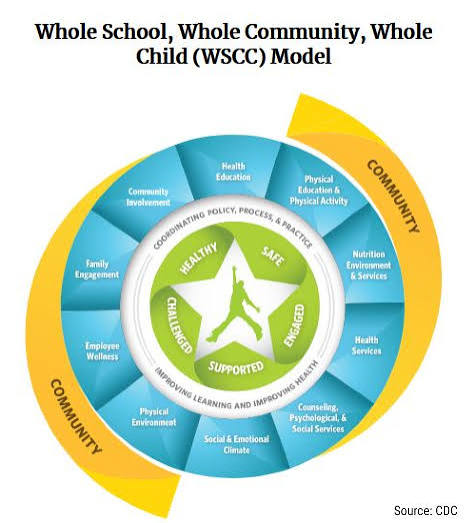
Through WSCC, the agency collaborates with state health departments, educational organizations, universities, and tribal nations to fund programs, offer technical expertise, and deliver professional development for school staff.
The agency also utilizes surveillance and data collection systems to help school administrators make informed, evidence-based decisions, while equipping parents with resources to advocate for healthier local school environments.

