

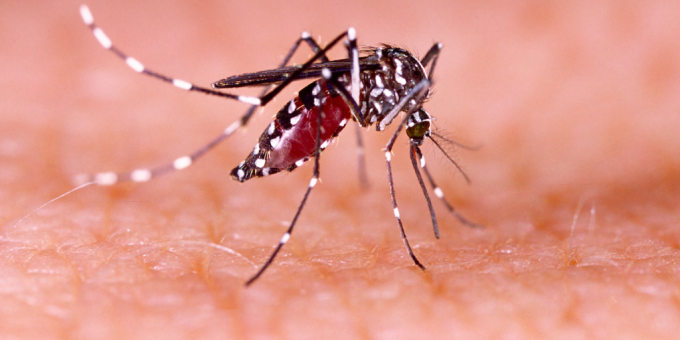
COLUMBUS — Bartholomew County health officials have confirmed that mosquito samples collected in the area have tested positive for West Nile virus, marking the county’s first official detection of the virus in 2026.
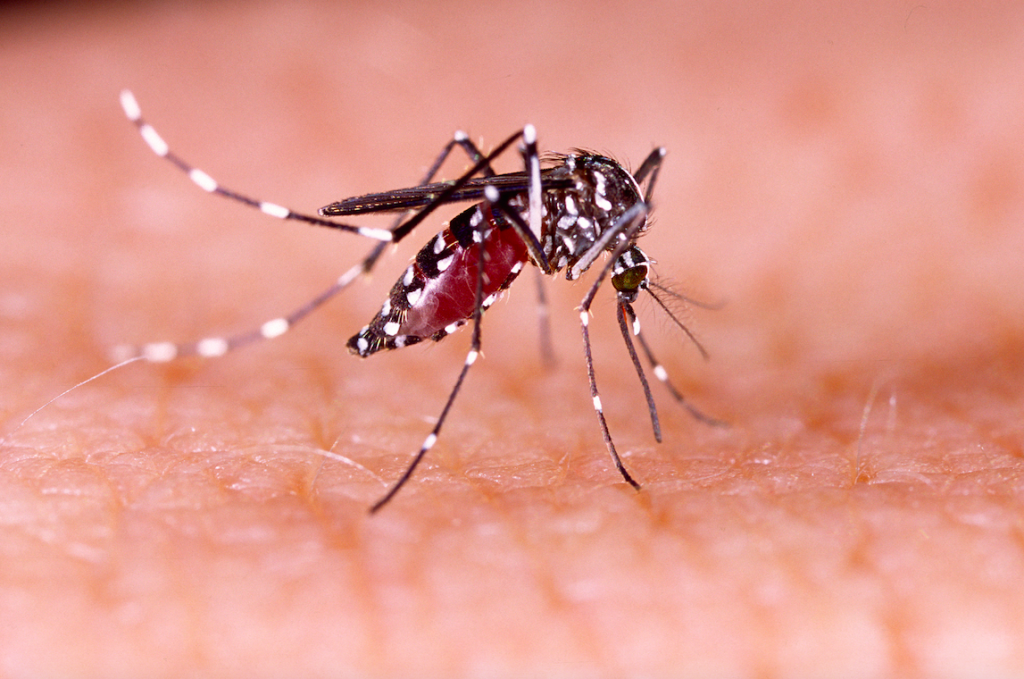
According to the Bartholomew County Health Department, laboratory analysis confirmed the presence of the virus in local mosquito pools. Mosquitoes contract the virus by feeding on infected birds and can transmit it to humans and animals through bites.
Health officials noted that detecting West Nile virus in local vector populations is expected during the late summer and early fall months. In response, county officials are concentrating targeted mosquito control and abatement efforts in areas where viral activity has been identified.
Detections Across Indiana
Bartholomew County is not alone in reporting West Nile virus activity this season. Public health departments across the state have also confirmed positive mosquito samples in recent weeks, including:
- Hamilton County: Health officials identified the virus in mosquito pools collected at Founders Park in Carmel.
- La Porte County: The local health department received state confirmation of infected mosquito pools collected in late June.
- Floyd County: State health officials confirmed positive mosquito samples in southern Indiana as early as mid-June.
State health experts emphasize that West Nile virus is endemic to Indiana, and most counties routinely detect infected mosquitoes as summer temperatures peak and standing water creates ideal breeding conditions.
Symptoms and Health Risks
While most individuals infected with West Nile virus experience no symptoms or only mild, flu-like symptoms, the virus can pose serious risks. Severe cases—which can lead to neurological complications such as encephalitis or meningitis—are most common among individuals over 50 or those with compromised immune systems.
How to Protect Yourself and Reduce Mosquito Breeding
Local health departments urge residents to take proactive measures to limit mosquito populations and reduce exposure:
Eliminate Standing Water
Mosquitoes require standing water to lay eggs. Homeowners are advised to inspect their property weekly and eliminate water accumulations in:
- Flower pots, buckets, and animal water dishes
- Clogged roof gutters and discarded tires
- Unmaintained birdbaths or wading pools
- Failing or surface-discharging septic systems
Personal Prevention Measures
- Apply Insect Repellent: Use EPA-registered repellents containing DEET, Picaridin, or Oil of Lemon Eucalyptus on exposed skin and clothing.
- Wear Protective Clothing: Opt for lightweight, long-sleeved shirts and long pants when outdoors.
- Limit Dusk-to-Dawn Activity: Avoid spending extended time outdoors during peak mosquito feeding hours between dusk and dawn.
- Maintain Window Screens: Ensure window and door screens are in good repair to keep mosquitoes out of homes.

