

INDIANA — As millions of Americans gear up for a favorite summer pastime, federal safety officials are issuing an urgent reminder that could mean the difference between a scenic bike ride and a tragic trip to the emergency room.
New data from the U.S. Consumer Product Safety Commission (CPSC) reveals that while cycling remains one of the country’s most popular warm-weather activities, it carries hidden dangers. Annually, roughly 900 people are killed in bicycle-related incidents across the United States. Furthermore, more than 500,000 individuals require treatment in hospital emergency rooms for cycling injuries each year.
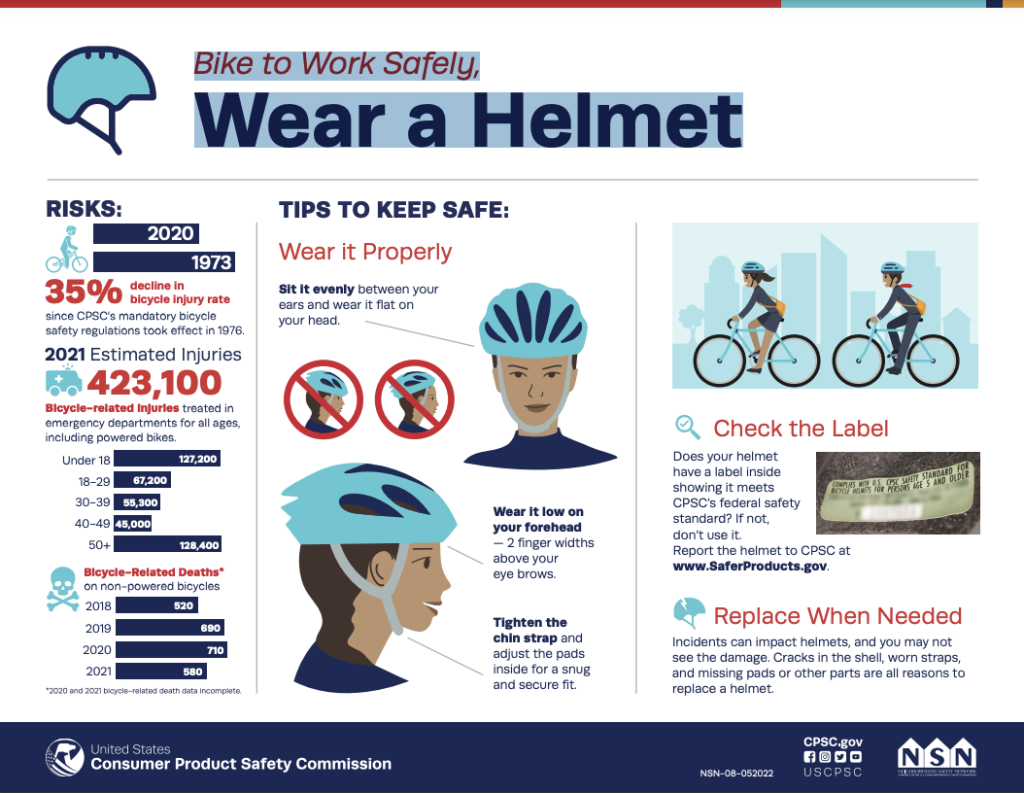
The most alarming statistic? Roughly 60 percent of those yearly fatalities involve a head injury. Public health research emphasizes that simply bucking up a bicycle helmet can reduce the risk of head injury by up to 85 percent, preventing hundreds of unnecessary deaths.
Spotting the Right Standard
Federal law mandates that all bicycle helmets sold in the U.S. must meet rigorous safety criteria established by the CPSC, officially cataloged under Title 16, Part 1203 of the Code of Federal Regulations. This legal standard guarantees that a helmet can adequately absorb a heavy impact and that its chin straps are strong enough to keep the helmet locked on your head during a collision or fall.
Officials urge consumers to check the inside of their gear before hitting the road. Look for a permanent label explicitly stating conformance with the CPSC standard.
Crucially, experts warn against cross-using gear. Helmets exclusively marketed for skateboarding, inline skating, baseball, or roller hockey are engineered differently. They do not meet federal bicycle helmet requirements and should never be used as a substitute.
Urgent Recall Notice: “BeePrincess” Helmets
The safety warning comes alongside a specific, urgent consumer alert. The CPSC has issued a directive telling consumers to immediately stop using BeePrincess adult bike helmets.
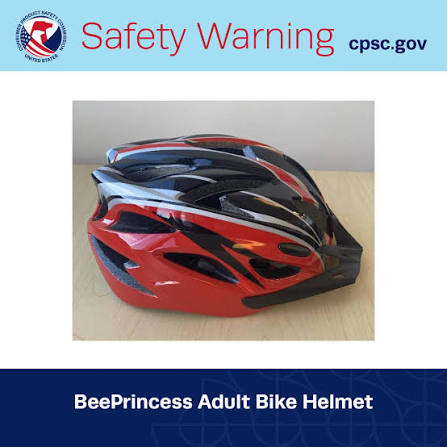
According to federal regulators, these helmets violate mandatory safety standards and can fail to protect riders during a crash, posing a severe and deadly risk of head injury. Roughly 2,200 of these non-compliant helmets were sold online via Walmart.com between July 2024 and November 2025.
If you own a BeePrincess helmet, the CPSC says to stop using it immediately. To ensure no one else accidentally uses it, owners are instructed to cut the straps, dispose of the helmet in the trash, and never sell or give it away.
Getting the Perfect Fit
A helmet can only do its job if it sits correctly on your head.
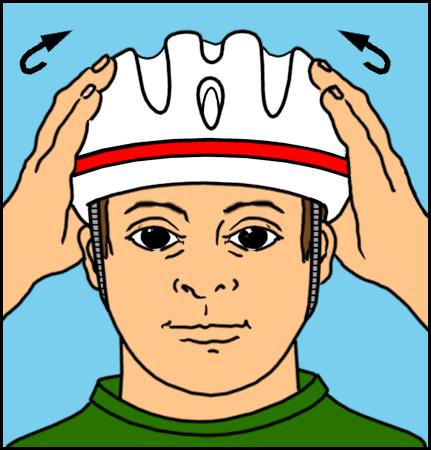
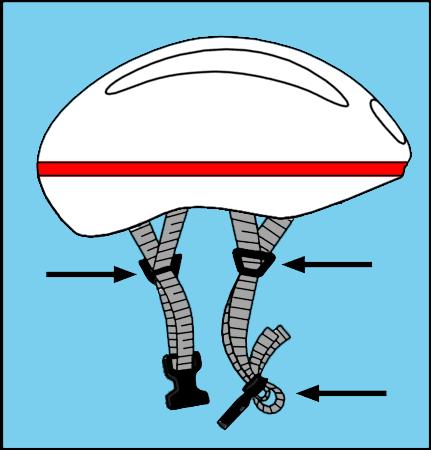
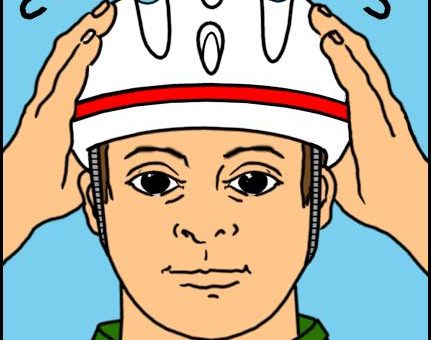
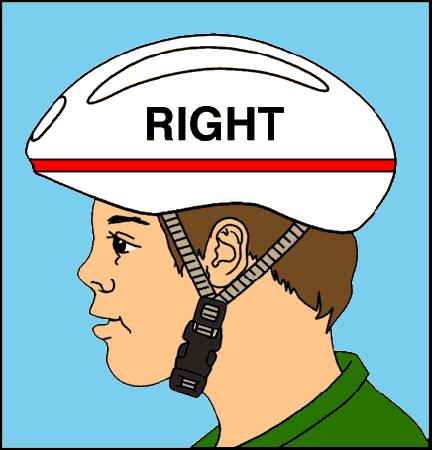
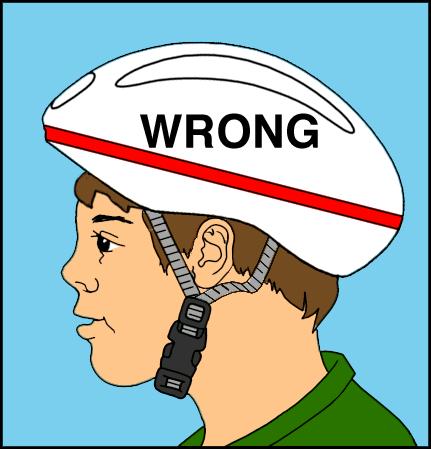
The CPSC provides three golden rules for checking your fit:
- Keep it Level: A helmet should always sit level on the forehead, covering the upper brow. It should never be tilted back on the crown of the head.
- The Snug Test: The helmet must have a snug but comfortable fit. If you are buying a helmet for a child, always bring them with you to the store to test the fit in person.
- Lock the Straps: The chin strap and buckle must stay securely fastened. If you pull or twist the helmet, no combination of movement should be able to roll the helmet off your head or cause the buckle to slip loose.
Finally, remember that helmets are generally single-impact devices. Even if there is no visible damage, the internal protective foam can crush or crack during a hard fall, rendering it useless for a future accident. Always replace a helmet immediately after any significant crash.
Sharing the Road Safely
Beyond protective gear, defensive riding is key to staying out of the emergency room. Cyclists have a legal right to share public roadways, but drivers often fail to notice them in heavy traffic. Riders are urged to stay highly alert for merging, turning, or lane-changing vehicles.
Safety advocates also recommend avoiding riding at night whenever possible. If night riding is unavoidable, bicycles must be equipped with active front and rear lights, and riders should wear clothing featuring reflective tape or bright markings.
To report an unsafe bicycle helmet or a product-related injury, consumers can visit SaferProducts.gov or call the CPSC’s Hotline at 800-638-2772 (TTY 800-638-8270).

