

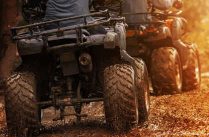
INDIANA – Operating an all-terrain vehicle (ATV) carries significant, often underestimated risks. According to the latest data released by the U.S. Consumer Product Safety Commission (CPSC), off-highway vehicle accidents claim more than 700 lives and cause over 100,000 emergency room-treated injuries across the country every single year.

Disturbed by these high numbers, federal safety officials emphasize that the vast majority of these incidents are entirely preventable. To combat the crisis, the CPSC has launched a comprehensive safety toolkit designed to target the most common, critical mistakes riders make before and during a ride.
Safety experts have identified five main pitfalls that account for the bulk of annual tragedies:
- Driving on Paved Public Roads: ATVs are explicitly designed for off-highway terrain. Their specialized tires are built to grip soft surfaces like dirt, sand, and mud, which makes them highly unstable and prone to flipping on paved surfaces. Paved road riding also brings the dangerous risk of colliding with oncoming street traffic.
- Carrying Passengers on Single-Rider Vehicles: Unless an ATV is explicitly manufactured, labeled, and equipped with a designated second seat, it is a single-rider vehicle. Carrying a passenger drastically shifts the machine’s center of gravity, severely restricting the operator’s control and forcing frequent rollover accidents.
- Allowing Children to Ride Adult-Sized Machines: Children under the age of 16 lack the physical size, weight, and strength required to safely maneuver adult-sized models. This inability to properly reach the brakes or dynamically shift body weight to control the vehicle is a leading factor in pediatric ATV crashes.
- Riding Without Mandatory Protective Gear: Neglecting personal protective equipment remains a massive oversight. The CPSC notes that simply wearing a Department of Transportation (DOT)-compliant helmet, safety goggles, over-the-ankle boots, and gloves dramatically reduces the risk of traumatic brain injuries and severe bodily trauma.
- Operating While Impaired: Just like driving a car, operating an ATV requires sharp reflexes and quick decision-making. Driving under the influence of alcohol or drugs severely alters judgment and reaction times.
To help casual and seasoned riders avoid these dangers, federal officials stress that operating these heavy machines is not an innate skill. The CPSC and the ATV Safety Institute strongly advocate that all riders participate in a formal, hands-on training course before hitting the trails. Families and riding clubs can access free safety resources, instructional guides, and regional training connections by exploring the newly released ATV Safety Toolkit online.
CPSC Age Recommendations for ATV Riders
Regarding the specific age groups mentioned in safety toolkits and federal guidelines, the CPSC and the American Academy of Pediatrics (AAP) categorize safety requirements by age as follows:
Ages 16 and Older: Individuals aged 16 and up are physically and developmentally cleared to operate adult-sized ATVs, though standard safety rules—including helmet use and avoiding passengers—still strictly apply.
Under Age 6: Children in this age group should never operate or ride as a passenger on an ATV under any circumstances. No motorized ATVs are manufactured for children this young.
Ages 6 to 11: Children may only operate specific youth-model ATVs that feature built-in speed limiters restricting maximum speeds to 10–15 mph. Strict adult supervision is required at all times.
Ages 12 to 15: Youth in this bracket are restricted exclusively to age-appropriate youth models (which typically limit top speeds to 15–30 mph depending on the model tier). They should never operate adult-sized machines, as 98% of pediatric injuries in this age range occur on adult vehicles.

