
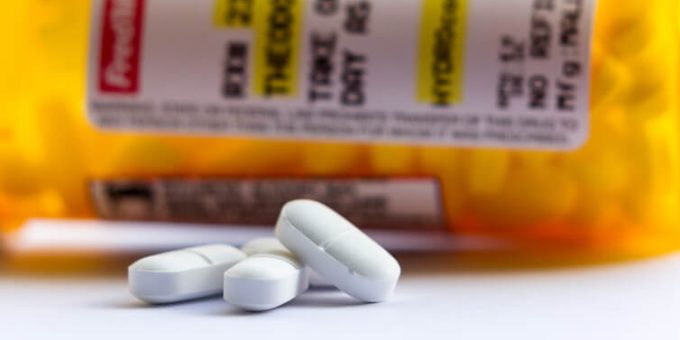
INDIANA — A new report from the Indiana Department of Health reveals that nearly half of the individuals who died from a drug overdose in Indiana between 2022 and 2024 had filled a regulated prescription within a year of their death.

The state’s analysis, which linked vital records to the Indiana Scheduled Prescription Electronic Collection and Tracking (INSPECT) database, found that 47% of the 6,549 overdose victims had a filled prescription for a controlled opioid, benzodiazepine, or stimulant in their final year.
Remarkably, among those who held a controlled prescription, two-thirds (67%) had filled it within just 90 days of their fatal overdose. Health officials point to this narrow timeline as a critical, high-stakes window for medical providers to step in with life-saving interventions.
Overlapping Prescriptions Raise Red Flags
The report highlights a high frequency of overlapping drug classes among decedents. Of those who filled a prescription in their final year, 58% received opioids, 36% received benzodiazepines, 36% used buprenorphine as a Medication for Opioid Use Disorder (MOUD), and 11% held stimulants.

Furthermore, more than a third of these individuals (35%) were prescribed multiple drug classes at the same time. The data shows that:
- 72% of those prescribed benzodiazepines were also prescribed another substance class.
- 73% of those prescribed stimulants were concurrently prescribed an additional class.
- The most frequent combination found among multi-class users was opioid pain relievers paired with benzodiazepines (39%).
Timing and Frequency of Medication
Accounted by frequency of dispensation, the single most common controlled substance filled by decedents was buprenorphine at 40.2%, followed by oxycodone (12.4%) and hydrocodone (11.1%).
The median time between a patient’s final prescription pickup and their death was under two months across every single drug category analyzed:
| Prescription Class | Median Dispensations (Within 1 Year of Death) | Median Days Between Last Dispensation & Death |
| Benzodiazepines | 6 | 20 |
| Stimulants | 6 | 31 |
| MOUD (Buprenorphine) | 9 | 34 |
| Opioid Pain Relievers | 3 | 52 |
A Call to Action for Indiana Clinicians
Because nearly half of overdose victims interacted directly with a pharmacy or healthcare provider shortly before their deaths, state health officials emphasize that every controlled dispensation represents a major opportunity for prevention.
The state is urging clinicians to strictly follow CDC guidelines, implement comprehensive pain management strategies, conduct routine mental health screenings, and actively co-prescribe naloxone (Narcan) to patients at risk or those mixing opioids with benzodiazepines