

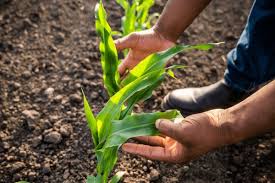
INDIANA — With early-summer heat settling across the Midwest, federal agricultural officials are highlighting a suite of financial and technical programs designed to help farmers and livestock producers weather developing drought conditions.
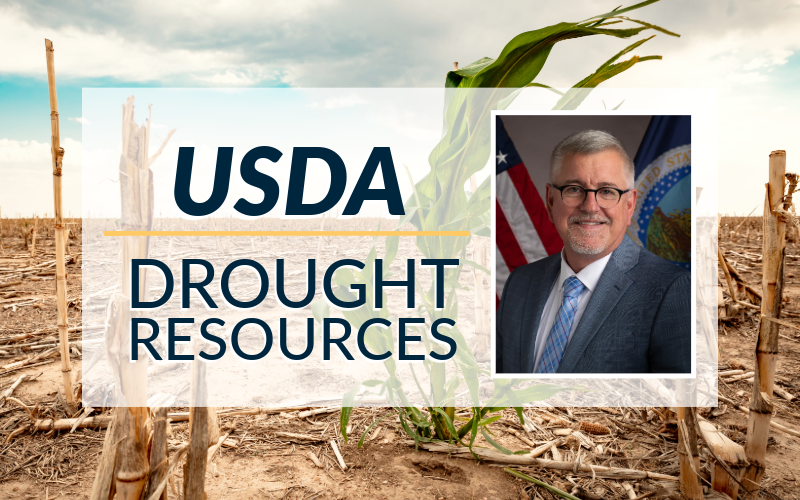
In a public address on Wednesday, June 3, Richard Fordyce, USDA Under Secretary for Farm Production and Conservation, emphasized that while the transition from spring planting to summer can be incredibly stressful, the federal government is adjusting safety nets to prioritize recovery.
“I know that navigating drought can feel overwhelming,” Fordyce stated. “But be assured that USDA has a team of dedicated people and a suite of programs that can help you recover from losses, reduce future risk, or prepare your operation for the future.”
The Local Picture: Indiana’s Shifting Moisture Levels
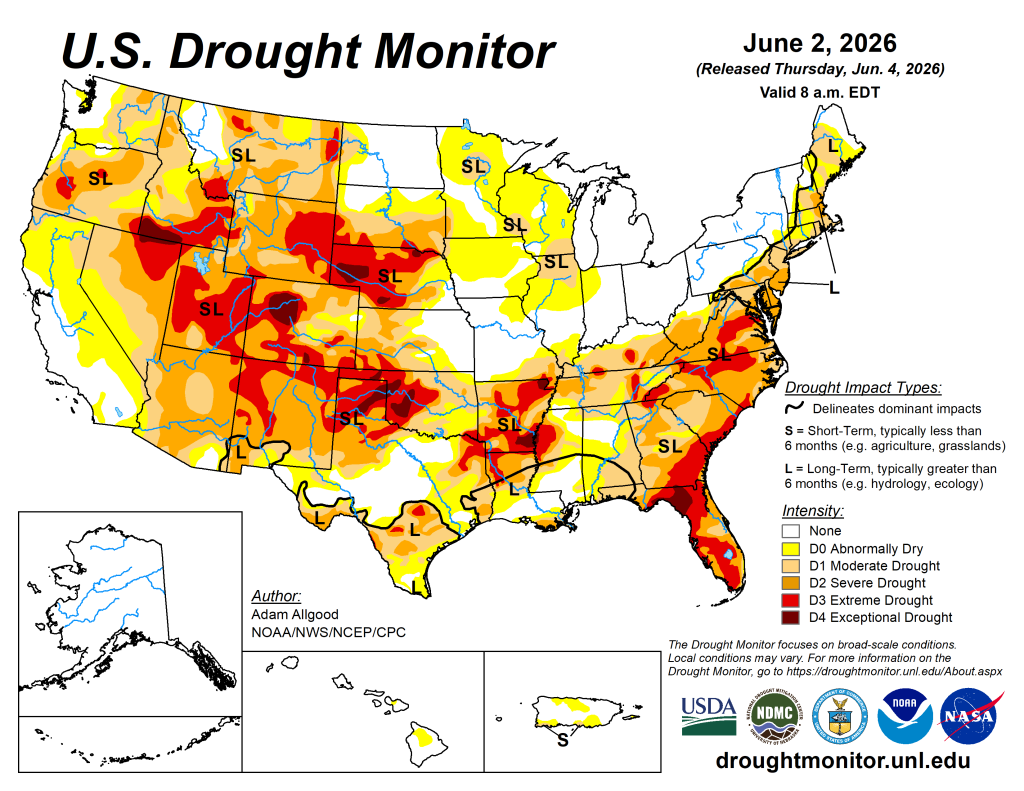
The USDA’s push for awareness comes at a critical time for Hoosier farmers. Following a rocky start to the 2026 season, the state’s moisture map is split.
According to recent data from the U.S. Drought Monitor and the Indiana Department of Natural Resources (DNR), roughly 86% of the state is currently free of drought, thanks to heavy spring downpours that saturated southern Indiana and the Ohio River Valley. However, a rapid shift to hot, dry weather has triggered an expanding pocket of “Abnormally Dry” (D0) conditions across the northwestern quarter of Indiana.
Producers in northwest Indiana report that fields which were completely waterlogged in early May have dried out so quickly that irrigation systems have already been fired up to protect newly emerged corn, soybeans, and winter wheat.
Critical Aid for Livestock and Crop Producers
For Hoosier operations facing severe forage or feed shortages, the USDA outlined several immediate disaster assistance programs:
- Livestock Forage Disaster Program (LFP) & ELAP: LFP provides compensation for grazing losses, while the Emergency Assistance for Livestock, Honeybees, and Farm-raised Fish Program (ELAP) helps offset the mounting transportation costs of hauling additional feed and water to livestock.
- Emergency CRP Haying & Grazing: Land enrolled in the Conservation Reserve Program (CRP) can be opened up for emergency grazing to combat forage shortages. During the primary nesting season, this is permitted at a 50% reduction in the standard stocking rate, provided the local county meets eligibility metrics.
- Emergency Conservation Program (ECP): Offers financial and technical cost-sharing to help farmers implement immediate water conservation practices, repair damaged farmland, or construct new livestock watering systems during severe dry spells.
These emergency programs are designed to run alongside standard risk management tools, such as federal crop insurance and the Noninsured Crop Disaster Assistance Program (NAP), which cover quality and production losses if a drought prevents timely planting or ruins yields.
Low-Interest Options Available: In addition to direct disaster payouts, the USDA is offering low-interest direct and guaranteed operating farm loans, along with flexible loan servicing options, to give current borrowers breathing room during tight financial cycles.
Farmers Urged to Report “On-The-Ground” Conditions
Federal administrators emphasize that the accuracy of their aid maps depends heavily on local communication. The USDA utilizes the weekly U.S. Drought Monitor map to trigger county-level program eligibility.
Because local variations can be extreme, Under Secretary Fordyce strongly encouraged Indiana producers to log their specific, on-the-farm observations into the online Condition Monitoring Observer Report system or by emailing details directly to droughtmonitor@un1.edu.
Hoosier farmers needing localized guidance or assistance applying for these relief measures are urged to contact their regional USDA Service Center or visit the official federal Disaster Assistance Discovery Tool online.

