

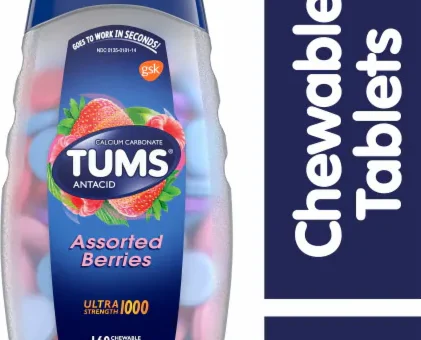
INDIANA — Federal health regulators and major retailers are urging consumers to check their medicine cabinets following a series of voluntary recalls impacting popular over-the-counter heartburn medications, including select batches of Tums and generic antacids.
The most recent advisory involves a potential physical contamination risk, while historical context highlights ongoing vigilance regarding foreign materials and chemical impurities in stomach remedies.
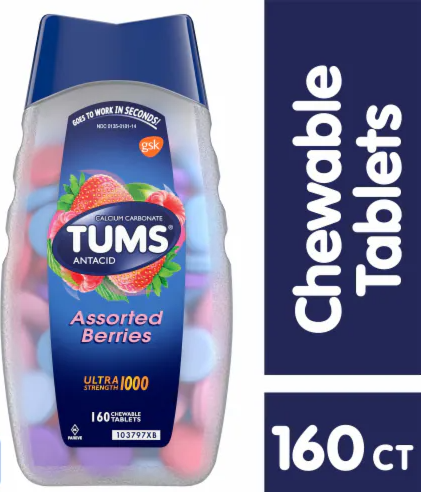
In May 2026, a voluntary recall was initiated for a specific, widely distributed variety of Tums chewable tablets due to the potential presence of small metal pieces. The recall specifically impacts a 160-count bottle sold at CVS locations.
If you regularly use Tums, officials advise checking your current supply for the following specific matching details:
| Product Details | Affected Indicators |
| Product Name | Tums Ultra Assorted Fruit Chewable Tablets (1000mg) |
| Bottle Size | 160 Count |
| UPC / SKU | UPC: 307660746102 / SKU: 814467 |
| Lot Codes | 1096078 and 1096076 |
| Expiration Date | January 31, 2029 |
If your bottle matches these lot codes, stop using the medication immediately. Consumers can return the product to their local CVS retailer for a full refund or contact the manufacturer directly for next steps.
This is not the first time physical contaminants have triggered safety alerts for the brand. In the past, manufacturing cross-contamination has led to targeted recalls of other variations, including Tums Ultra Peppermint Chewable Tablets (72-count) and Tums Peppermint Regular Strength (3-roll packs).
Previous batches were pulled from shelves after foreign materials—including fiberglass fragments, aluminum foil bits, and paper debris—were discovered in specific production runs.
Chemical Risks: The Precedent of the Zantac (Ranitidine) Pullout
While physical contaminants like metal or foil present an acute, immediate choking or digestive hazard, the antacid market has also faced major disruptions from chemical impurities.
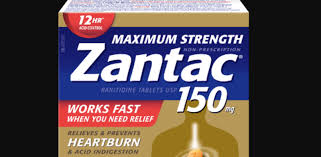
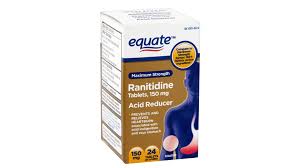
The most notable of these involved Zantac (ranitidine), which was completely withdrawn from global markets after a voluntary recall snowballed into a total FDA clearance mandate.
- The Contaminant: N-Nitrosodimethylamine (NDMA)
- The Threat: NDMA is an environmental contaminant classified by both the Food and Drug Administration (FDA) and the World Health Organization (WHO) as a probable human carcinogen (a substance capable of causing cancer).
- The Outcome: Because testing revealed that the NDMA levels in ranitidine could increase over time and under normal storage conditions, the FDA requested that all manufacturers permanently pull ranitidine from shelves.
Medical professionals now routinely steer patients experiencing chronic acid reflux or heartburn toward safer, thoroughly tested chemical alternatives. These include H2 blockers like famotidine (Pepcid) or proton pump inhibitors (PPIs) such as omeprazole (Prilosec).
Manufacturing anomalies happen, but staying informed prevents accidental exposure. Health officials recommend checking the official U.S. Food & Drug Administration (FDA) Recalls, Market Withdrawals, & Safety Alerts database online to cross-reference lot numbers for any medication you take regularly. If you are ever unsure whether a bottle in your home is safe, your local pharmacist can easily look up active alerts using the barcode on the back of the packaging.

