

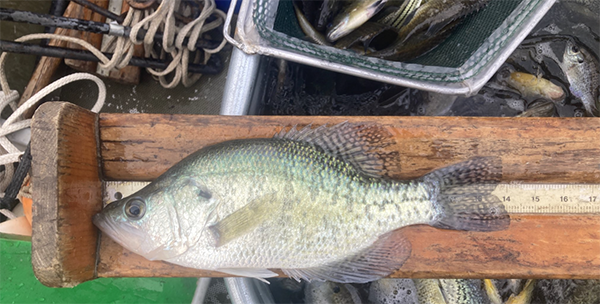
INDIANA — As spring transitions into the warm summer months, the Indiana Department of Natural Resources (DNR) is reminding Hoosier anglers that some of the most reliable and exciting fishing action of the year is happening just feet from the shoreline.
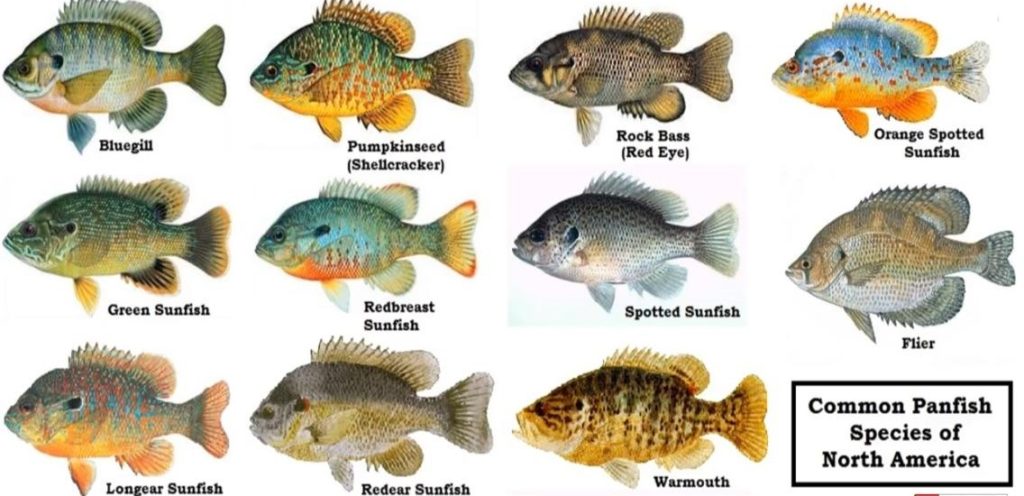
For families, beginners, and seasoned sport fishermen alike, “panfish” represent the ultimate summertime target. A general term used to describe a variety of small, sweet-tasting sport fish that can fit entirely inside a cooking pan, panfish are incredibly abundant and can be found in virtually every lake, reservoir, farm pond, and slow-moving stream across the state.
Identifying the Species
Indiana’s public waters are home to a diverse mix of panfish species, each with unique identifying marks and preferred habits:
- Bluegill: The definitive king of Indiana panfish (and the official State Fish). They are easily identified by a dark blue or black spot on the opercle flap (ear flap) and a relatively small mouth.
- Redear Sunfish: Often growing larger than bluegills, redears are nicknamed “shellcrackers” because they use specialized throat teeth to crush small snails and clams on the lake bottom. Look for a distinct bright red or orange edge on their ear flap.
- Pumpkinseed: One of the most vibrant panfish, featuring beautiful turquoise wavy lines across their cheeks and an orange-spotted belly.
- Black & White Crappie: Recognizable by their distinct silvery-green coloration and larger, upward-pointing mouths. Crappies are highly prized for their delicate white meat.
Understanding the life cycle of these fish is the easiest way to locate them. Right now, panfish are moving in droves into shallow water to construct their spawning nests, or “beds.”
When multiple fish nest together, they dig small, circular depressions in the gravel or sand right next to each other, creating a unique, honeycomb-like hexagonal pattern on the lake bed. These shallow nesting sites are highly visible to the naked eye in clear water, particularly around quiet coves.
Once the peak spawning period passes later in the summer, panfish will shift to nearby structural cover to avoid mid-day heat. Anglers should target:
- Boat Docks: The shade beneath pontoon boats and wooden piers offers prime cover.
- Aquatic Vegetation: Look for heavy patches of pond lilies, milfoil, and coontail weeds.
- Submerged Timber: Fallen trees and brush piles are hot spots, particularly for crappie.
Indiana Catch Limits and Regulations
While panfish are incredibly resilient and reproduce rapidly, the DNR maintains daily bag limits on certain public waters to protect the quality of the fishery and ensure sustainable populations.
| Species Group | Daily Bag Limit (Statewide) | Minimum Size Limit |
| Bluegill, Redear, & Sunfish | 25 (aggregate total combination) | None |
| Crappie (Black & White) | 25 (aggregate total combination) | None |
Note: Some specific state lakes, property reservoirs, and fish & wildlife areas may have special “panfish regulations” with reduced bag limits or size restrictions. Always check local property signs or the current Indiana Fishing Regulation Guide before casting.
Beginner Tackle Tip
You don’t need expensive gear to catch panfish. A simple live-bait rig consisting of a light-wire hook, a small split-shot sinker, and a clip-on bobber baited with live red worms, nightcrawler pieces, or crickets is often all it takes to find success.
Anglers ready to plan a trip can utilize the DNR’s interactive online Where to Fish map to pinpoint public access sites and fishing piers in their area. For detailed identification guides and species factsheets, visit the official Indiana Fishing Species webpage via dnr.IN.gov.

