

INDIANA – Veterinarians and wildlife biologists are warning pet owners about the continued spread of Cytauxzoon felis—commonly known as bobcat fever—a swift and highly lethal disease threatening domestic felines across the United States.
Driven by shifting climate patterns and the northward expansion of specific tick species, the disease is no longer confined to its historic stronghold in the deep American South.

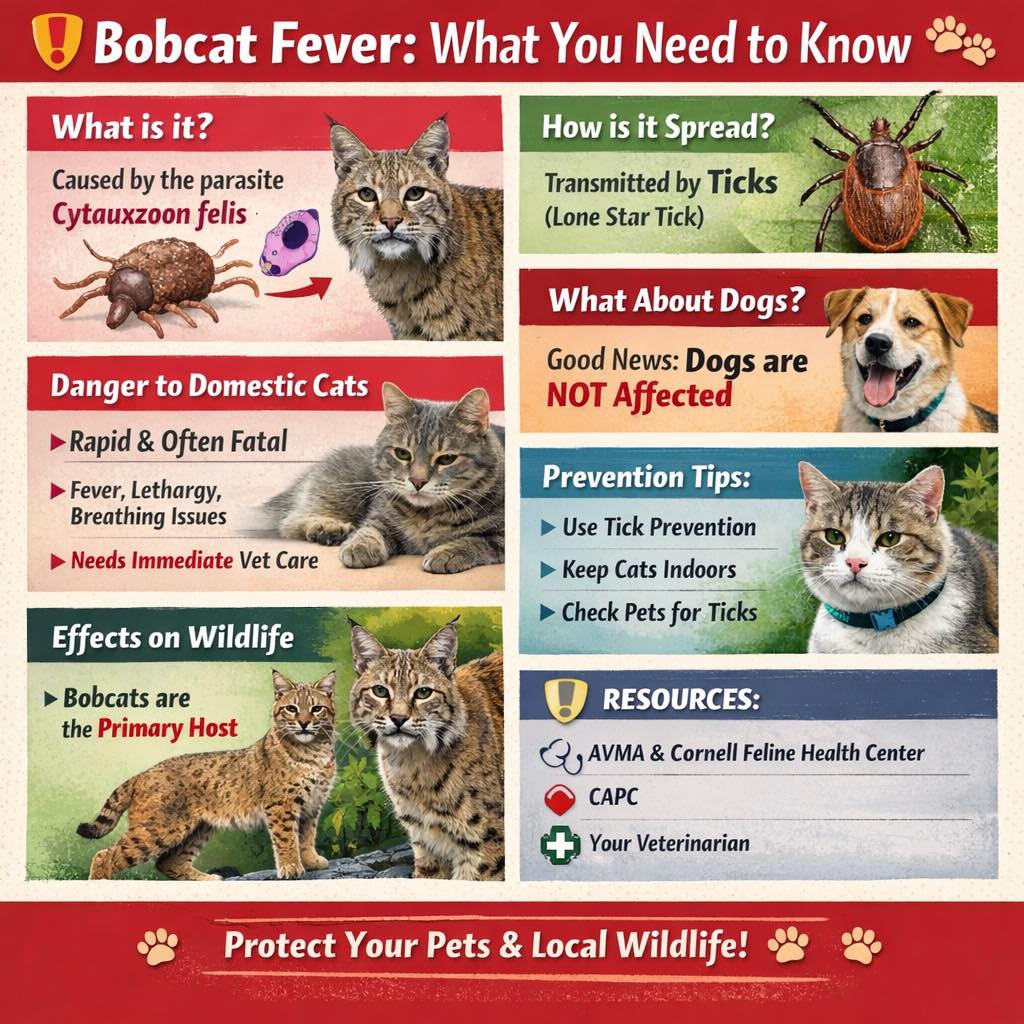
Bobcat fever is a severe disease caused by a microscopic protozoan parasite. In wild bobcats, the natural host, the infection is typically mild or asymptomatic. However, when the parasite is transmitted to domestic cats, it invades the bloodstream and macrophage cells (a type of white blood cell), causing severe inflammation, tissue blockage, and rapid organ failure.
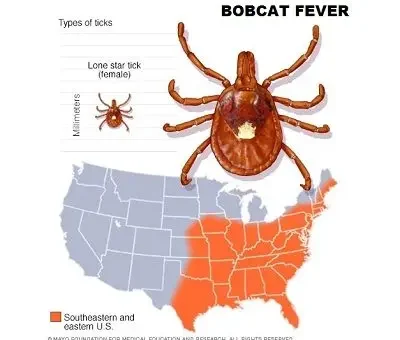
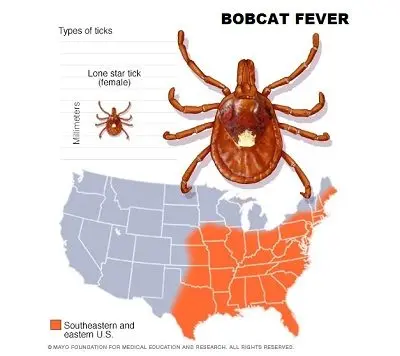
The disease is not contagious from cat to cat; it relies entirely on tick bites for transmission. The primary vector is the Lone Star tick (Amblyomma americanum), though the American dog tick (Dermacentor variabilis) can also transmit the parasite.
While bobcat fever was historically considered a southern phenomenon, confirmed cases have been documented in Indiana.
The disease has steadily crept northward as Lone Star tick populations expand their range into the Midwest. In Indiana, cases are most frequently reported in the southern half of the state, where dense wooded habitats support robust populations of both wild bobcats and Lone Star ticks. However, state health officials note that as tick ranges shift, outdoor cats anywhere in Indiana are potentially at risk during peak tick season (typically spring through early autumn).
High Mortality and Rapid Progression
Veterinarians warn that bobcat fever is a medical emergency with a progression timeline measured in days, not weeks. Without immediate treatment, the mortality rate can exceed 90%. Even with aggressive, modern medical intervention, the survival rate hovers between 60% and 75%.
Symptoms usually manifest 5 to 15 days after a tick bite. Pet owners should watch for these critical warning signs:
- Extreme lethargy and weakness
- High fever (often reaching 104°F to 106°F)
- Complete loss of appetite (anorexia)
- Dehydration
- Jaundice (a yellowing of the gums, whites of the eyes, or skin)
- Difficulty breathing or rapid respiration in later stages
Prevention Guidelines for Pet Owners
Because there is currently no vaccine available for Cytauxzoon felis, veterinarians emphasize that prevention is the only definitive cure.
- Keep Cats Indoors: The single most effective way to eliminate risk is to prevent domestic cats from roaming in wooded or brushy areas where ticks and wild bobcats overlap.
- Use Veterinary-Approved Tick Preventatives: Ensure cats are on a year-round, high-quality flea and tick preventative. Consult your veterinarian for specific products (such as topical treatments or specialized collars) that are proven effective against Lone Star ticks. (Note: Never use canine tick products on cats, as they can be highly toxic).
- Perform Regular Tick Checks: Inspect indoor/outdoor cats daily, focusing on the ears, neck, face, and between the toes. Promptly remove any attached ticks using fine-tipped tweezers.
Pet owners who notice a sudden onset of lethargy and fever in their cats, especially if the cat has outdoor access, should seek emergency veterinary care immediately. Early diagnosis and the prompt initiation of specialized antimicrobial and supportive therapies offer the only real chance for survival.

