


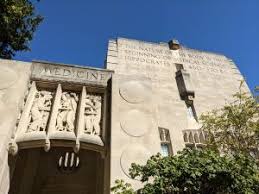
BLOOMINGTON — Several rooms within Myers Hall on Indiana University’s Bloomington campus have been shuttered following a directive from federal authorities.
In a letter addressed to the Department of Biology, IU Vice President for Research Russ Mumper confirmed that the U.S. Department of Agriculture (USDA) is engaging in unspecified activity within the laboratory. Specifically, rooms 062, 302, 309, 315, 316, and 319 remain closed to faculty and students while the federal operation is underway.
While the exact nature of the USDA’s activity has not been disclosed, university officials emphasized their cooperation with the federal government.
“The actions taking place are being directed by federal authorities, and the university is cooperating as required,” Mumper stated, noting that IU remains committed to academic freedom and minimizing the “significant disruption” caused to research. The university expects to notify faculty as soon as the rooms are cleared for reopening.
This closure is the latest in a series of federal interventions involving research at Indiana University over the past year:
- Smuggling Conviction (April 2026): Last month, former IU postdoctoral researcher Youhuang Xiang pleaded guilty to smuggling goods into the U.S. Federal investigators discovered that Xiang had received shipments of plasmid DNA from China disguised as women’s underwear to evade customs. Xiang, a J-1 Visa holder, was subsequently surrendered to U.S. Immigration and Customs Enforcement (ICE).
- FBI Cybersecurity Probe (2025): Last spring, the FBI launched an investigation into a former IU cybersecurity expert, though no criminal charges were ultimately filed in that case.
The USDA typically engages in laboratory oversight through its Animal and Plant Health Inspection Service (APHIS).
While IU has not linked the current closure to a specific violation, the USDA has the authority to inspect and close facilities under the Animal Welfare Act or the Agricultural Bioterrorism Protection Act. These regulations ensure the secure handling of select agents—biological hazards that could pose a severe threat to animal or plant health.
Under federal law, institutions failing to meet biosafety levels (BSL) or security protocols for imported biological materials can face immediate suspension of research activities. Neither the USDA nor Indiana University has confirmed whether the current activity is related to biosafety compliance or an active criminal investigation.

