


WASHINGTON D.C. — The Food and Drug Administration (FDA) has issued a nationwide recall for specific bottles of Xanax XR, a common anti-anxiety medication, citing concerns over how the tablets dissolve in the body.
The recall, which originally began in March, was escalated on April 8 to a Class II designation. According to the FDA, this classification indicates that the product may cause temporary or medically reversible health consequences, though the probability of serious adverse effects is considered remote.
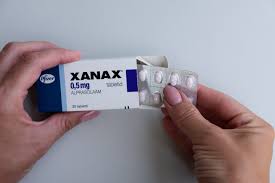
The specific issue cited is “failed dissolution specifications.” In pharmaceutical terms, this means the tablets may not break down at the intended rate. For an extended-release (XR) medication, proper dissolution is critical to ensuring the drug is released into the bloodstream consistently over time. If a tablet fails these specifications, it may not be as effective as intended.
Despite the classification, the risk to the public appears low. In a statement from the California State Board of Pharmacy, officials described the risk to patients as “negligible,” and there have been no reports of adverse reactions linked to this recall to date.
How to Identify Affected Bottles
The recall is limited to 3 mg extended-release tablets manufactured in Ireland and distributed in the U.S. by Viatris Specialty LLC between August 2024 and May 2025.
Patients should check their prescription bottles for the following identifying markers:
| Detail | Specification |
| Product Name | Xanax XR (alprazolam) extended-release |
| Bottle Size | 60-count bottles |
| Dosage | 3 mg |
| NDC Number | 58151-506-91 |
| Lot Number | 8177156 |
| Expiration Date | 02/28/2027 |
Guidance for Patients
Health officials urge patients not to panic but to take immediate steps to verify their medication. If you find that your prescription matches the lot number above:
- Consult Your Provider: Contact your doctor or pharmacist immediately to arrange for a replacement.
- Do Not Abruptly Stop: Do not stop taking the medication without medical supervision. Suddenly discontinuing anti-anxiety medications can lead to withdrawal symptoms or a significant return of anxiety symptoms.
- Confirm the Risk: Discuss your specific health needs with a professional to determine the safest course of action.
For more information, patients can contact their local pharmacy or visit the FDA’s official recall database.

