

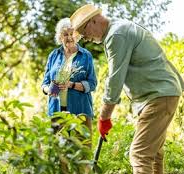
INDIANA — When it comes to improving health, many assume it requires a gym membership or a grueling exercise routine. However, mobility experts are now highlighting a simpler, more sustainable secret to longevity: the short, daily trip outdoors.

According to Daniel Stone, Managing Director at TGA Mobility, regular connection with the outside world—even in brief increments—can be more impactful for long-term physical and mental wellbeing than occasional, strenuous activity.

“You do not need to break a sweat to support your health,” Stone explains. “Even five minutes every day is more powerful than one long outing a week.”
The Multi-Faceted Benefits of Nature
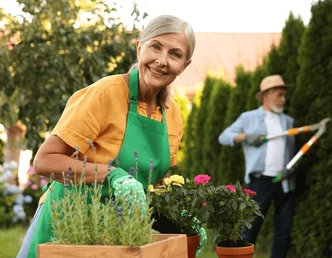
Mobility specialists point to several key areas where “pottering” in the garden or a short roll through a park can transform the aging process:
- Low-Impact Longevity: Light movement maintains circulation and joint flexibility without the risk of strain. Research suggests frequent light activity is often more sustainable for older adults than intense exercise.
- Stress Regulation: Just ten minutes in a natural environment allows the nervous system to “reset,” reducing chronic stress and helping manage long-term pain.
- Immune and Cognitive Boosts: Sunlight regulates Vitamin D, while the sensory variety of the outdoors—noticing seasonal changes or local wildlife—exercises the brain’s memory and spatial awareness.
- Natural Socializing: Outdoor spaces facilitate “micro-interactions,” such as a wave to a neighbor or a brief chat. These low-pressure connections are vital for reducing the isolation often associated with aging.
Redefining Mobility Aids
A significant barrier to getting outside is often a fear of fatigue or instability. Stone emphasizes that modern mobility aids should be viewed as “tools for freedom” rather than signs of limitation. By using equipment to conserve energy, individuals can maintain these vital outdoor routines with higher confidence.
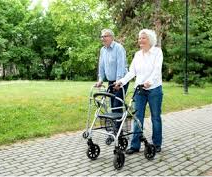
The most surprising insight for those looking to improve their health is that the destination matters less than the repetition. By shifting the focus from “exercise” to “connection,” seniors can build a habit that supports a healthier, more engaged life.
“Small daily outings may seem insignificant,” says Stone, “but over months and years, they quietly add up.”

