

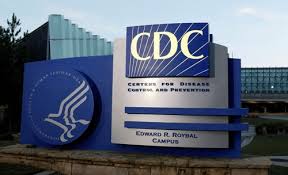
ATLANTA, GA — The Centers for Disease Control and Prevention (CDC) has officially suspended diagnostic testing for 31 different infectious diseases, including rabies, mpox, and various parasitic infections. The transition, which began on March 30, 2026, marks one of the largest pullbacks in the agency’s laboratory history.
While the CDC characterizes the move as a “temporary pause” for routine quality review, the decision comes in the wake of a significant organizational downsizing under the Department of Health and Human Services (HHS).
Key Tests Currently Offline
As of April 3, the list of unavailable tests has grown to include several critical diagnostic tools. Notable suspensions include:
- Rabies: Both antemortem (before death) human testing and antibody titers.
- Poxviruses: Molecular detection for viruses like mpox and smallpox.
- Respiratory Panels: SARS-CoV-2, Influenza A/B, and Adenovirus testing.
- Parasites: Morphologic identification and telediagnosis for rare parasitic agents.
- Common Viruses: Epstein-Barr Virus (EBV), Measles avidity, and Human Herpesvirus 6.
Public health agencies and medical providers are currently being redirected to commercial laboratories or specialized state labs in New York and California to fill the diagnostic gap.
The testing suspension follows a period of intense restructuring at HHS led by Secretary Robert F. Kennedy Jr. Over the past year, the agency has undergone a 20% to 25% reduction in workforce—roughly 20,000 positions—through a combination of layoffs, early retirements, and the non-renewal of temporary contracts.
Industry experts note that the laboratory impact is severe. Reports indicate that the CDC’s rabies team may soon be reduced to a single qualified expert, while the poxvirus team faces a total lack of remaining staff. HHS spokesperson Andrew Nixon stated the agency anticipates some tests will return “in the coming weeks” following a review intended to “uphold a commitment to high-quality testing.”
Understanding the Rabies Risk
The pause in rabies testing is of particular concern to medical professionals because the virus has a near-100% fatality rate once symptoms appear.
Rabies is a medical emergency. If you have been bitten or scratched by a wild animal or a stray, do not wait for lab confirmation. Contact a healthcare provider immediately to begin Post-Exposure Prophylaxis (PEP).
Testing Procedures:
- In Animals: Testing requires a brain tissue cross-section, meaning it can only be performed after the animal has died or been euthanized.
- In Humans: Diagnostic confirmation involves complex testing of saliva, serum, spinal fluid, and skin biopsies (nuchal biopsies).
Symptoms to Watch For: Early symptoms often mimic the flu (fever, headache, nausea). As the virus attacks the central nervous system, patients may develop agitation, confusion, difficulty swallowing, partial paralysis, and a distinct fear of water (hydrophobia).
While federal testing remains offline, local health departments continue to coordinate with state and private labs to manage potential exposure cases.

