

LAWRENCE COUNTY – As storm season intensifies across the Midwest, emergency management officials are reminding Indiana residents that understanding the “language” of severe weather is the most critical step in surviving a tornado, flood, or high-wind event.
According to Lawrence County Emergency Management Director Valerie Luchauer, severe weather alerts are not just notifications; they are life-saving tools designed to provide the precious minutes needed to reach a safe location.

“Storms, floods, and tornadoes are common occurrences in Indiana,” said Luchauer. “By practicing these safety tips, it doesn’t just minimize the effects of a storm – it saves lives.”
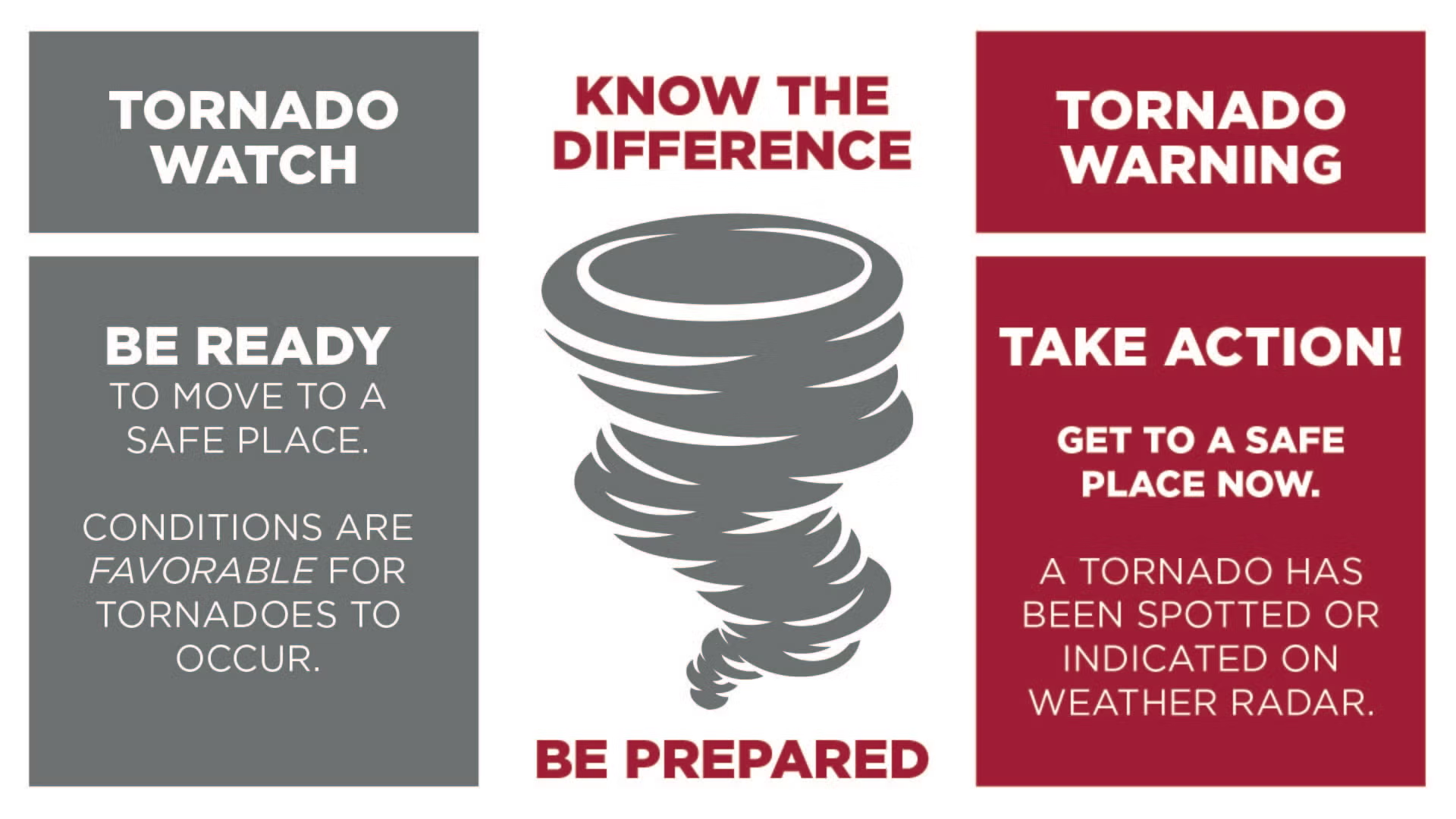
The Critical Difference: Watch vs. Warning
One of the most dangerous mistakes a resident can make is confusing a “Watch” with a “Warning.”
- Severe Weather Watch: Means conditions are favorable for dangerous weather to develop. You should be prepared, monitor the news, and have a plan ready.
- Severe Weather Warning: This means dangerous weather is imminent or occurring in your specific area. You must take action immediately to protect your life.
Redundancy is Key: Multiple Alert Methods
Technology can fail during a major storm—cell towers can go down, and power can be cut. Because of this, officials urge Hoosiers to rely on at least two or three different sources for warnings:
- Wireless Emergency Alerts (WEA): These are the loud, distinctive tones that automatically push to your smartphone.
- NOAA Weather Radio: Perhaps the most reliable tool, these radios can be battery-powered and use Specific Area Message Encoding (SAME) to alert you only for your specific county, reducing “alert fatigue.”
- Local Media and Apps: Local meteorologists provide real-time tracking that can pinpoint exactly which neighborhoods are in the path of a storm. Luchauer stresses that Lawrence County residents download the Lawrence County Sheriff’s Office app on Google Play or the App Store to get real-time weather alerts.
- Outdoor Sirens: These are designed primarily to warn people who are outdoors to head inside; they are not intended to be heard clearly inside a home or while sleeping.
The Power of Lead Time
Modern meteorology has seen a massive leap in accuracy thanks to high-resolution models like Warn-on-Forecast (WoFS). These systems have significantly increased lead times, giving families more time to evacuate or reach a basement before a tornado hits.
Your Severe Weather Action Plan
When a Warning is issued for your area, the IDHS and Luchauer recommend the following immediate actions:
- Seek Shelter: Move to a secure, low-level indoor location—preferably a basement. If no basement is available, go to an interior room (like a closet or bathroom) on the lowest floor, away from windows.
- Turn Around, Don’t Drown: If flooding occurs, never drive through water on a roadway. Just six inches of fast-moving water can knock an adult off their feet, and twelve inches can sweep away most cars.
- Be Prepared Ahead of Time: Have an emergency kit with water, flashlights, and a first-aid kit ready, and ensure your family has a pre-determined communication plan.

