

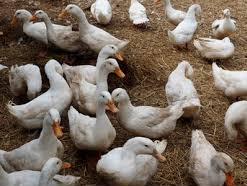
INDIANA — Indiana’s status as a national powerhouse in poultry production is being tested as a relentless wave of Highly Pathogenic Avian Influenza (HPAI) sweeps across the state. Throughout March 2026, state health officials have confirmed new cases nearly every day, resulting in the loss of more than 350,000 birds in the first few weeks of the month alone.
The most recent strike occurred at a commercial duck facility in Elkhart County, where over 4,500 birds were affected. This follows a string of detections in LaGrange, Adams, and Jay counties, primarily impacting Indiana’s robust duck and egg-layer sectors.
In southern Indiana, the avian flu (H5N1) has made a significant return in early 2026 after nearly a year of relative quiet in that part of the state. While northern Indiana remains the hardest-hit area, several commercial operations in southwestern and south-central counties have been impacted this spring.
According to the Indiana State Board of Animal Health (BOAH), the following southern and central Indiana locations have confirmed cases so far in 2026:
2026 Southern & Central Indiana Detections
| County | Date Confirmed | Type of Operation | Birds Affected |
| Sullivan | February 17 | Commercial Turkey | 45,686 |
| Boone | February 19 | Commercial Breeder Turkey | 18,763 |
| Daviess | February 25 | Commercial Turkey | 30,033 |
| Crawford | March 3 | Commercial Egg Layer | 49,727 |
| Hendricks | March 3 | Non-Commercial (Backyard) | 61 |
In these southern and central counties alone, over 144,000 birds have been lost this year.
Since the current H5N1 strain first emerged in February 2022, Indiana has been forced to depopulate more than 10 million birds. Agriculture authorities describe the ongoing crisis as the largest animal health emergency in U.S. history.
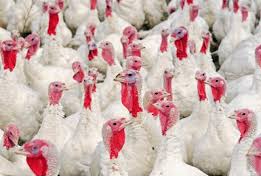
The surge in March is directly linked to the spring migratory season. Wild waterfowl, such as ducks and geese, carry the virus as they move north. While these wild birds often show no symptoms, their droppings and feathers can contaminate water sources and farm equipment, introducing the virus into domestic flocks.
Indiana’s Poultry Standing
Despite the staggering losses, Indiana continues to be a central pillar of the nation’s food supply. The state currently maintains impressive national rankings:
- #1 in Duck Production
- #3 in Egg Production
- #3 in Turkey Production
“The impact on each individual farm is devastating,” said Denise Derrer-Spears of the Indiana State Board of Animal Health. “However, the overall poultry industry in Indiana remains strong and resilient.”
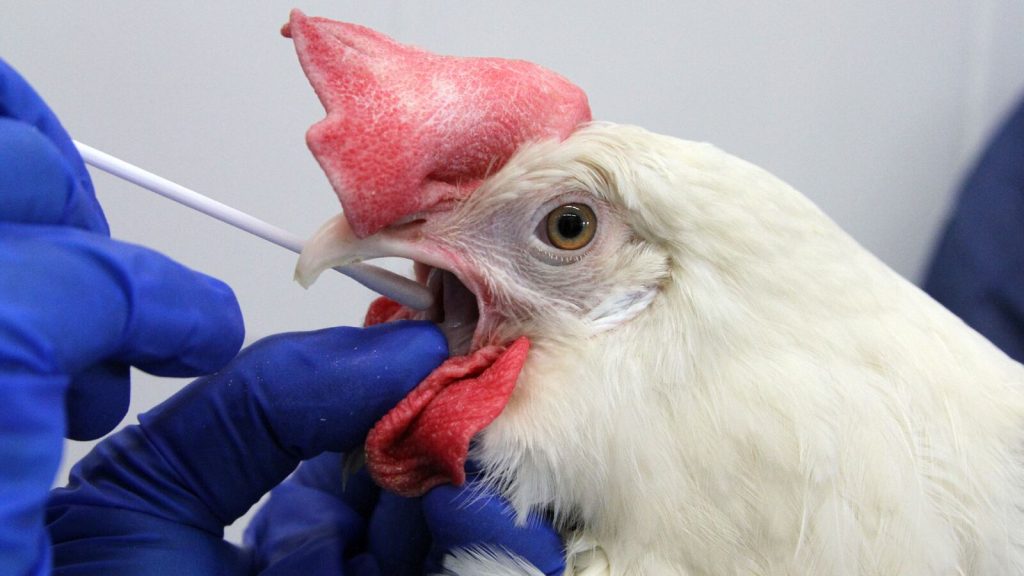
The USDA’s Animal and Plant Health Inspection Service (APHIS) is urging all producers—from large commercial operations to backyard hobbyists—to implement “Defend the Flock” biosecurity protocols.
Key Biosecurity Mandates:
- Restrict Access: Limit visitors to only essential personnel.
- Wildlife Barriers: Ensure poultry are kept away from wild birds and their water sources.
- Sanitation: Use dedicated clothing and footwear for poultry areas; disinfect all equipment moving between facilities.
- Reporting: Immediately report unusual bird deaths or signs of illness (such as swelling around the eyes or a drop in egg production).
The USDA is currently offering voluntary, cost-free biosecurity assessments to help farms identify vulnerabilities. For those willing to implement recommended fixes, the federal government may cover up to 75% of the costs for structural improvements.
While the H5N1 strain has been detected in dairy cattle in 19 other states—including a massive spread in California earlier this year—no cases have been confirmed in Indiana dairy herds as of late March 2026.
Public Health Reminder:
Health experts and the CDC maintain that the risk to the general public remains low.
- Food Safety: Properly cooked poultry and eggs are safe to eat.
- Dairy Safety: Commercial milk remains safe due to the pasteurization process, which effectively kills the virus.
- Direct Contact: Only those with prolonged, unprotected exposure to infected animals are considered at risk.

