

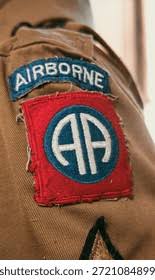
WASHINGTON, D.C. — In a significant escalation of the U.S. military posture, the Pentagon has ordered roughly 1,000 paratroopers from the 82nd Airborne Division to the Middle East. The deployment comes during the fourth week of the conflict with Iran, even as the Trump administration shifts its public rhetoric toward a potential diplomatic “off-ramp.”
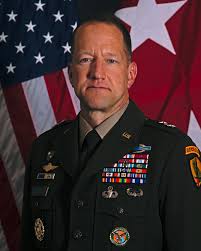
The troops, primarily from a battalion of the 1st Brigade Combat Team out of Fort Liberty (formerly Fort Bragg), received written orders Tuesday to mobilize. They will be joined by the division’s commanding general, Major General Brandon Tegtmeier, and his headquarters staff.
The 82nd Airborne serves as the military’s Immediate Response Force (IRF), a specialized unit capable of deploying anywhere in the world within 18 hours. Unlike the 5,000 Marines already en route to the region, who specialize in embassy security and civilian evacuations, the paratroopers are specifically trained for:
- Seizing airfields and critical infrastructure in contested territory.
- Securing key strategic points through airborne operations.
- Rapid reinforcement of existing U.S. positions.
Military analysts suggest one potential target for these ground forces could be Kharg Island, the hub for roughly 90% of Iran’s oil exports. While the U.S. has conducted over 9,000 air strikes on military targets to date, the deployment of the 82nd signals that “boots on the ground” remain a serious option if negotiations falter.
Despite the military buildup, President Donald Trump expressed optimism on Tuesday that a ceasefire could be imminent. Speaking from the Oval Office, the President claimed that a formal 15-point negotiation plan has been delivered to Tehran, facilitated by Pakistan.
Vice President JD Vance is reportedly the preferred primary point of contact for Iranian representatives. Secretary of State Marco Rubio is leading the diplomatic framework. Businessman and Senior Advisor to President Trump, Jared Kushner, and United States Special Envoy to the Middle East, Steve Witkoff, are involved as special envoys in the “outreach” process.
“The other side, I can tell you, they’d like to make a deal,” President Trump stated. “The fact that they are talking to us and talking sense… we have a number of people doing it.”
Conflicting Reports from Tehran
The diplomatic situation remains fluid and contradictory. While an Iranian source confirmed to CNN that there has been “outreach” between the two nations, official state media in Tehran has been more defiant.
Lt. Col. Ebrahim Zolfaghari, a spokesperson for the Iranian military, mocked the reports on state television, claiming the Americans are “negotiating with themselves.” However, in a possible sign of de-escalation, the Iranian Foreign Ministry announced Tuesday it would facilitate the “safe passage” of non-hostile ships through the Strait of Hormuz—though U.S. and Israeli vessels remain barred.
The prospect of a deal has already impacted global markets. Oil prices fell more than 5% following the President’s comments, and major stock indices showed gains as investors hope for a resolution to the energy shock that has gripped the global economy since the war began on February 28.