

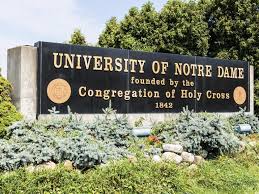
SOUTH BEND — In a move that significantly reshapes the landscape of elite higher education affordability, the University of Notre Dame announced Wednesday that it will cover the full cost of tuition for undergraduate families with annual incomes under $150,000.
The expansion, part of the university’s “Pathways to Notre Dame” initiative, is set to take effect for the 2026–27 academic year. It marks a historic leap from previous financial aid models by establishing clear, income-based thresholds that offer families transparency during the often opaque college application process.
The university has introduced three primary tiers of guaranteed support based on total family income:
- Under $60,000: Most students from these families will have the full cost of attendance covered, including tuition, fees, housing, and food.
- Under $150,000: Families will receive need-based aid that covers the full cost of tuition.
- Under $200,000: Families will receive aid covering at least half the cost of tuition.
University President Rev. Robert A. Dowd, C.S.C., who first launched the Pathways initiative during his 2024 inauguration, emphasized that cost should never be a deterrent for talented students.

“In order to be the community of learning we are called to be, cost must never be a barrier,” Father Dowd said. “We are committed to making every effort to welcome talented young people from a variety of backgrounds… I have no doubt that the students who come to Notre Dame thanks to Pathways will enrich our community in every way.”
The university expects its total undergraduate financial aid commitment to exceed $1 billion over the next four years. This massive investment is supported by Notre Dame’s substantial endowment, which was valued at nearly $17 billion as of late 2025.
While the new income thresholds are the highlight, they build upon a foundation of recent radical changes to the school’s financial aid philosophy:
- Need-Blind Admissions: A student’s ability to pay is not considered during the evaluation of their application. This policy now extends to both domestic and international applicants.
- Loan-Free Packages: Since 2025, Notre Dame has replaced student loans with “gift aid” (scholarships and grants) in all undergraduate financial aid offers. While families can still choose to take out private or federal loans for miscellaneous expenses, the university no longer includes them as a requirement to meet basic needs.
By the Numbers: The Real-World Impact
For the 2026–27 school year, the estimated “sticker price” for Notre Dame is approximately $92,000. By providing clear income-based guarantees, the university is providing a significant “net price” reduction:
| Family Income | Expected Tuition Coverage | Estimated Annual Value |
| <$60k | 100% Tuition, Fees, Room & Board | $92,000 |
| <$150k | 100% Tuition | $70,000 |
| <$200k | 50% Tuition | $35,000 |
Note: Estimates are based on the current 2026-27 projected costs of $69,794 for tuition and fees.
Important “Fine Print” for Families
University officials noted that while income is the primary driver, family assets (savings, investments, home equity) are still considered in the final aid determination. Families with “significant assets” above what is typical for their income level may receive different packages, though the university remains committed to meeting 100% of demonstrated need for all admitted students.
Prospective students for the 2026–27 year are encouraged to complete the FAFSA and the CSS Profile by the priority deadlines to ensure they are evaluated under these new guidelines.

