

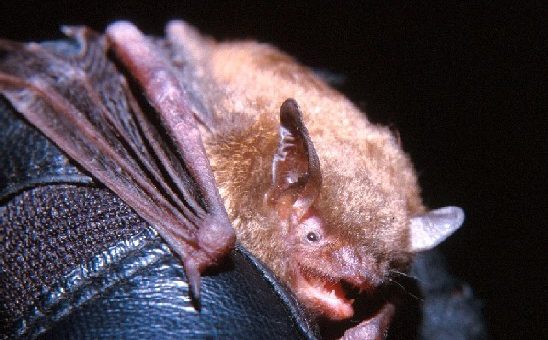
INDIANA – While snow piled up and temperatures dipped across Indiana this winter, the frigid conditions created the perfect opportunity for state biologists to conduct an important wildlife survey.
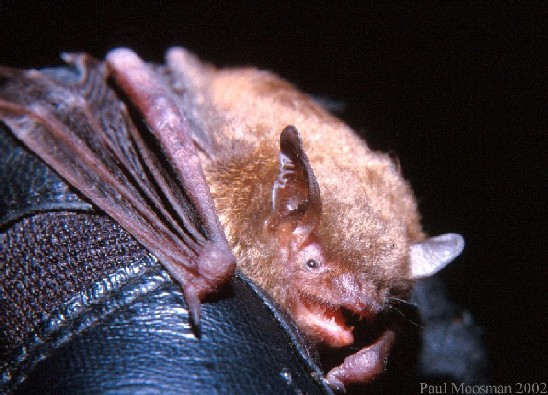
Mammalogists with the Indiana Department of Natural Resources spent the winter months quietly counting rare and endangered bats as part of the state’s regular bat census. During winter, about half of Indiana’s bat species retreat to caves where stable temperatures allow them to hibernate while insects—their primary food source—are scarce.
This hibernation period provides researchers with a rare chance to estimate bat populations. By carefully surveying caves and counting individuals, scientists can capture a snapshot of how many bats of each species are present.
The surveys are conducted every other year and are coordinated with other states where these species live. Biologists say this timing helps reduce disturbance to the animals while still providing consistent data that can reveal long-term population trends.
The counts primarily focus on the endangered Indiana bat, but researchers also monitor several other species including the Gray bat, Little brown bat, Tricolored bat, and Big brown bat.
Funding from the Indiana Nongame Wildlife Fund helps support the surveys and provides equipment needed to keep both bats and researchers safe. One of the most important tools used during the surveys is digital photography. Cameras allow biologists to spend less time inside caves—reducing stress on hibernating bats—while still capturing detailed images that can later be analyzed in the office for more accurate counts.
The 2026 winter bat survey is now wrapping up. While final numbers are still being compiled, DNR mammalogists say early impressions from the field suggest several bat species are showing encouraging signs of population growth.
Officials say the public can also help bats continue their recovery. Planting native vegetation, installing bat houses, protecting forested habitat, and minimizing disturbances to bat colonies all support healthier bat populations across the state.

