

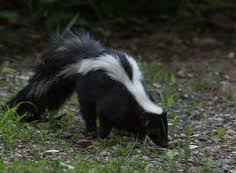
INDIANA — If you’ve noticed a sudden uptick in striped visitors – or their unmistakable scent – wandering through your neighborhood lately, you aren’t alone.
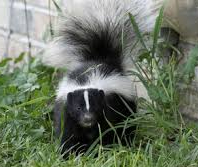
The Indiana Department of Natural Resources (DNR) Division of Fish and Wildlife has confirmed that March marks the peak of skunk breeding season across the state. This annual “season of pungent passion” means these typically elusive creatures are becoming significantly more active and visible to the public.
While skunks are year-round residents of Indiana, their behavior shifts dramatically during the early spring. Wildlife biologists note two primary reasons for the increased sightings:
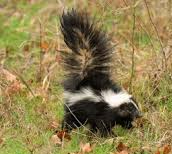
- Roaming Males: During breeding season, male skunks will travel far beyond their usual territories, sometimes roaming as much as five miles in a single night to find a mate.
- Increased Road Crossings: This surge in movement leads to more skunks navigating neighborhoods, parks, and busy roads, unfortunately resulting in a spike in vehicle collisions this time of year.
The DNR is leveraging this peak activity to better understand Indiana’s skunk population. Through the “Skunks of Indiana” project on the iNaturalist app, residents are being asked to report any sightings—whether the animals are alive or deceased.
Skunks have poor eyesight and may not notice you until you are close. If a skunk stomps its feet or arches its back, it is feeling threatened and is likely on the verge of spraying. Always maintain a respectful distance.
“This information is great for the furbearer team to gather information on skunks across Indiana,” the DNR shared in a recent project update. By uploading a safe photo and location data, Hoosiers help biologists map out which ecosystems the animals prefer.
To add a bit of fun to the research, the DNR is offering a quirky incentive for top contributors. At the end of March, the five participants with the most verified observations will receive a small skunk stress ball (or “skunk squishy”) as a thank-you gift.