

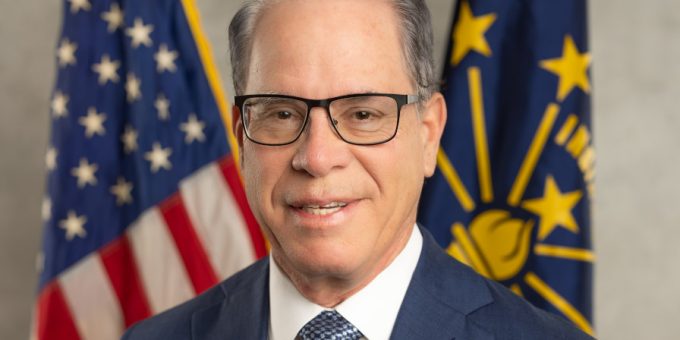
INDIANA — Governor Mike Braun signed House Bill 1002 into law on Thursday, February 26, marking a significant bipartisan effort to provide utility relief through both immediate billing changes and long-term regulatory restructuring. The legislation aims to prioritize ratepayers by increasing transparency and holding electric utilities accountable for affordability and reliability.
Starting after June 30, 2026, eligible low-income households enrolled in state energy assistance programs (like EAP) will be automatically moved to levelized billing plans.
- Stable Payments: Utilities must apply flat monthly charges based on average usage to prevent “budget shock” during peak summer months.
- Investor-Owned Focus: This mandate applies to Indiana’s five major investor-owned utilities: AES, Duke Energy Indiana, Indiana Michigan Power, NIPSCO, and CenterPoint Energy.
- Extreme Heat Moratorium: The law extends existing winter disconnection protections to extreme heat events, prohibiting service termination for qualified customers when the heat index reaches 95°F or higher.
The most transformative aspect of HB 1002 is the shift to performance-based ratemaking. This new regulatory landscape limits how often utilities can seek rate increases and ties their revenue to specific outcomes.
- Strict Timelines: Utilities are now restricted to filing rate cases only once every three years.
- Performance Reviews: The Indiana Utility Regulatory Commission (IURC) will evaluate utilities on affordability, reliability, and resilience.
- Penalties for Failure: Utilities that fail to meet state standards for service and cost-control may face financial penalties.
To ensure compliance, utilities must now submit quarterly reports to the Office of the Consumer Counselor. These reports will track customer numbers, account delinquencies, and disconnections to maintain a “rigid information highway” between utilities and state advocates.
While the Indiana Energy Alliance originally opposed the bill, the lobby is now working to implement the new standards. Meanwhile, consumer advocates like the Citizens Action Coalition view the law as a vital “starting point,” despite the failure of over a dozen amendments that sought to ban sales tax and reconnection fee

