

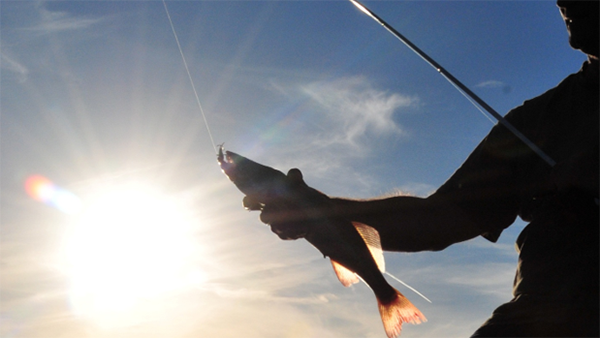
INDIANA — As the winter ice retreats and water temperatures climb into the 40s, one of Indiana’s most anticipated fishing windows is about to open. The early spring walleye spawn offers shore-bound anglers a premier opportunity to catch these elusive and delicious fish as they move into shallow waters.
Typically occurring between late March and early April, the walleye spawn triggers a massive migration. Fish journey from their deep-water lake sanctuaries toward feeder streams, rocky shorelines, and shallow inlets to lay their eggs.
Tactics for Shore Success
Because walleye are light-sensitive, the best action often happens during low-light conditions, specifically from dusk through the first few hours of darkness. Anglers should focus on “wind-swept” shorelines where baitfish congregate, and oxygen levels are high.
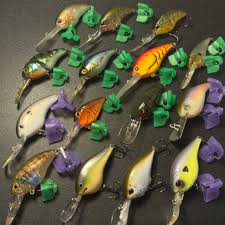
Top-performing lures for spring walleye include:
- Crankbaits: Use shallow-running models in chartreuse or natural “baitfish” patterns.
- Jigs: A classic ball-head jig (1/8 to 1/4 ounce) paired with a white or chartreuse plastic grub or paddle-tail.
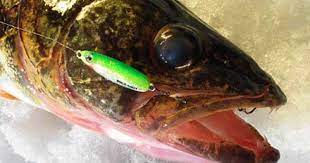
- Blade Baits: Silver or nickel finishes are highly effective in tailwaters and below spillways.
Where to Cast a Line
Indiana offers several world-class walleye destinations. Anglers looking for shore access should consider these hotspots:
- Brookville Lake: Famous for its robust walleye population, the tailwaters below the spillway are a spring favorite.
- Monroe Lake: Indiana’s largest landlocked reservoir provides ample rocky points and tributary access.
- Patoka Lake: A southern Indiana gem where walleye and their hybrid cousins, the saugeye, thrive.
Regulations to Remember
Before heading out, anglers should be mindful of Indiana’s size and bag limits to help maintain these populations:
- Daily Bag Limit: 6 fish (in any combination of walleye, sauger, or saugeye).
- Minimum Size: 14 inches south of State Road 26; 16 inches north of State Road 26 (special regulations may apply to specific lakes).
Retrieve your lures slowly. In cold spring water, walleye are active but not overly aggressive—a slow, steady “thump” of a jig or the subtle wiggle of a crankbait is often all it takes to trigger a strike.

