

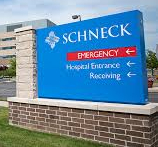
SEYMOUR — In honor of National Colorectal Cancer Awareness Month, Schneck Medical Center is inviting the community to a special ceremony dedicated to reflection, remembrance, and proactive health. The “Sparks of Strength” ceremony will be held next week to honor those affected by colorectal cancer and to highlight the life-saving importance of early detection.
The event is scheduled for 10:00 a.m. on Friday, March 6, 2026, in the hospital’s main lobby.
During the ceremony, participants will receive a blue tea light, the signature color for colorectal cancer awareness. These lights serve as a tribute to patients and families who have faced the disease.
In addition to the memorial, organizers are encouraging attendees to “pass the torch” by advocating for the health of their loved ones. The goal is for participants to leave the ceremony and encourage at least one friend or family member to schedule a screening colonoscopy.
Why Screening Matters
Colorectal cancer is often called a “silent” disease because it frequently presents no symptoms in its early stages. However, experts note that 90% of cases are curable if detected early. Regular screenings are vital because they can identify and remove precancerous polyps before they ever develop into cancer.
Current medical guidelines from the American Cancer Society and the CDC recommend that individuals at average risk begin regular screenings at age 45.
Health officials at Schneck emphasize that while age is a primary factor, several lifestyle and health choices can increase your risk. You should speak with your physician about scheduling a colonoscopy if you are 45 or older or if you have any of the following risk factors:
- Smoking
- Obesity
- Physical inactivity
- Heavy alcohol use
- A family history of colorectal cancer or polyps
By bringing the community together for the Sparks of Strength ceremony, Schneck Medical Center aims to reduce the stigma around colorectal health and empower residents to take charge of their preventative care.

