

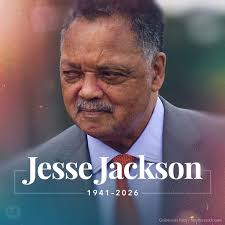
CHICAGO — The Reverend Jesse Jackson Sr., the towering civil rights leader, two-time presidential candidate, and protégé of Dr. Martin Luther King Jr., died Tuesday morning at the age of 84.
His family confirmed the news in a statement, describing Jackson as a “servant leader” who dedicated more than six decades to being a voice for the “oppressed, the voiceless, and the overlooked.” According to his daughter, Santita Jackson, the Reverend passed away peacefully at his home in Chicago, surrounded by his loved ones.
Born in Greenville, South Carolina, in 1941, Jesse Louis Jackson rose from humble beginnings to become one of the most influential political and social figures of the 20th century. His journey into activism began in earnest at North Carolina A&T State University, but it was his partnership with Dr. Martin Luther King Jr. that catapulted him onto the national stage.
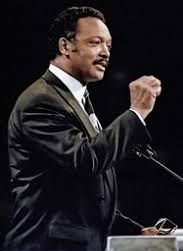
Jackson was with Dr. King at the Lorraine Motel in Memphis when the civil rights leader was assassinated in 1968. In the decades that followed, Jackson shouldered the mantle of the movement, founded Operation PUSH and the Rainbow Coalition, and became a master of “street-stripe” diplomacy and grassroots organizing.
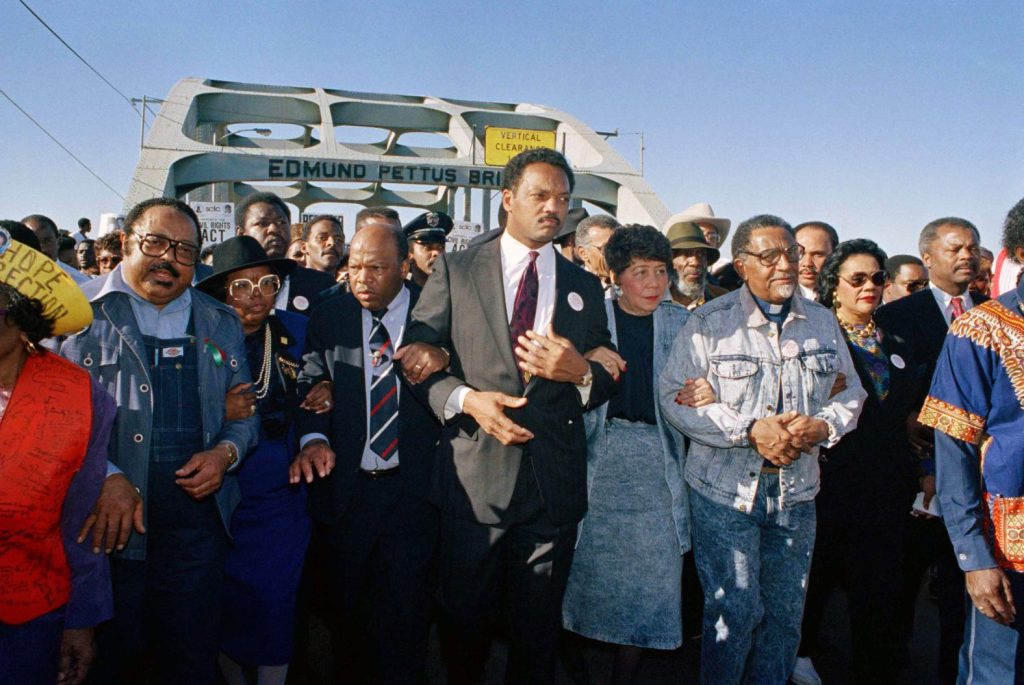
While Jackson never held elected office, his impact on the American electoral map was profound. His historic runs for the Democratic presidential nomination in 1984 and 1988 shattered racial barriers and registered millions of new voters.
- 1984 Campaign: He proved that a Black candidate could run a competitive national campaign, winning several primaries and caucuses.
- 1988 Campaign: He finished second in the delegate count, capturing nearly 7 million votes and famously delivering his “Keep Hope Alive” speech at the Democratic National Convention.
In his later years, Jackson faced significant health challenges. Though originally diagnosed with Parkinson’s disease in 2017, his family recently revealed that he had been battling Progressive Supranuclear Palsy (PSP), a rare and aggressive neurodegenerative disorder. Despite his declining mobility and speech, he remained active in social causes, appearing at protests for voting rights and criminal justice reform as recently as last year.
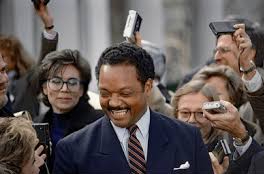
Tributes have poured in from across the globe. From the pulpit to the halls of Congress, leaders are reflecting on a man who redefined what was possible for Black Americans in politics.
“Our father was a servant leader… we shared him with the world, and in return, the world became part of our extended family.” — The Jackson Family Statement
Public memorial services are expected to be held in Chicago later this week, where thousands are anticipated to gather to say a final goodbye to the “Apostle of Hope.”
Key Highlights of His Legacy:
Here is a timeline of the defining moments and achievements of his life.
1960s: The Protégé and The SCLC
- 1960: Jackson begins his activism as a student, getting arrested for attempting to desegregate a public library in his hometown of Greenville, SC.
- 1965: Joins the Selma to Montgomery marches. Dr. Martin Luther King Jr. is impressed by his organizational skills and brings him into the Southern Christian Leadership Conference (SCLC).
- 1966: King appoints Jackson to head the Chicago branch of Operation Breadbasket, a program focused on using consumer boycotts to pressure white businesses to hire Black workers.
- 1968: Jackson is present at the Lorraine Motel in Memphis when Dr. King is assassinated. This moment cements his role as a leading voice for the next generation of the movement.
1970s: Economic Justice and Operation PUSH
- 1971: After clashing with SCLC leadership, Jackson founds Operation PUSH (People United to Save Humanity) in Chicago.
- 1973–1979: PUSH negotiates “covenants” with major corporations like Coca-Cola and Burger King to increase minority hiring and investment in Black-owned businesses.
- 1976: Launches PUSH-Excel, a national program encouraging inner-city youth to commit to education and self-discipline.
1980s: The Presidential Years & Global Diplomacy
- 1983–1984: In a stunning display of “citizen diplomacy,” Jackson travels to Syria and secures the release of captured Navy pilot Lt. Robert Goodman.
- 1984: Launches his first Presidential Campaign. He founds the National Rainbow Coalition, a multi-racial, progressive political alliance. He wins five primaries/caucuses.
- 1984 (June): Travels to Cuba and negotiates the release of 22 American prisoners held by Fidel Castro’s government.
- 1988: His second Presidential Campaign sees massive growth; he wins 7 million votes and 11 primaries/caucuses, finishing second in the Democratic field. He delivers the legendary “Keep Hope Alive” speech.
1990s: Shadow Senator and Peace Missions
- 1990: Travels to Iraq during the Gulf War crisis and convinces Saddam Hussein to release dozens of foreign “human shields.”
- 1991–1997: Serves as the Shadow Senator for Washington, D.C., using the unpaid position to advocate for D.C. statehood and voting rights.
- 1996: Merges his two primary organizations to form the Rainbow PUSH Coalition.
- 1999: During the Kosovo War, he negotiates the release of three American POWs held by Yugoslav President Slobodan Milošević.
2000s–2026: The Elder Statesman
- 2000: Receives the Presidential Medal of Freedom from President Bill Clinton.
- 2008: Witnessed the election of Barack Obama, famously photographed in tears at Grant Park as the first Black president was announced.
- 2017: Announces he has been diagnosed with Parkinson’s disease, but vows to continue his work “as long as I have breath.”
- 2023: Officially steps down as President of the Rainbow PUSH Coalition, handing leadership to Rev. Frederick Haynes III.
- 2026: Passes away at age 84, leaving a legacy that transformed American politics.

