

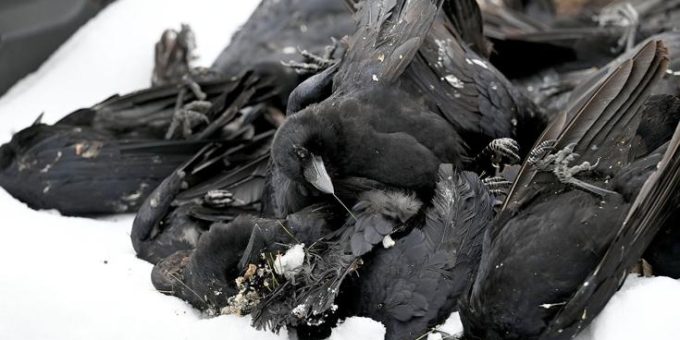
TERRE HAUTE — City and county leaders met with state wildlife experts on Friday to address a sudden and massive die-off of crows in the Terre Haute area. The Vigo County Soil and Water Conservation District (VCSWCD) reported that at least 550 dead crows have been collected or counted over the last three days alone.
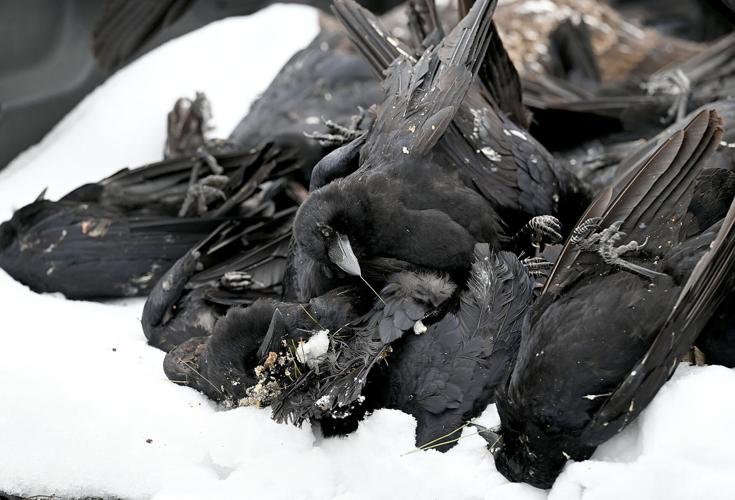
The majority of the birds were discovered in the mid-town region of Terre Haute. In one particularly concentrated area just north of Wabash Avenue, 190 carcasses were recovered on Thursday afternoon.
While official lab results for the most recent cluster are pending, health officials are bracing for a confirmed outbreak of Highly Pathogenic Avian Influenza (HPAI).
A smaller die-off occurred in December, where 60 crows were collected; all 60 birds tested positive for the virus. Officials with the Indiana Department of Natural Resources (IDNR) stated there is a “good chance” the current deaths are linked to the same strain.
The Vigo County Health Department emphasizes that while the risk of transmission to humans is low, residents should treat all dead wildlife as potentially infectious.
If you find a dead bird on your property:
- Do Not Touch: Avoid direct contact with your bare hands.
- Wear Protection: Use disposable gloves and a face mask if handling the bird.
- Double Bag: Place the carcass in a plastic bag, tie it securely, then place that bag into a second plastic bag.
- Disposal: Tie the outer bag and dispose of it with your regular household trash.
- Sanitize: Thoroughly wash your hands and disinfect any shoes or tools that may have touched the bird with a 10% bleach solution.
The IDNR is tracking the spread of the virus and requests that the public report any sick or dead wildlife. Reports are used by the Wildlife Health Team to detect new hotspots and monitor the impact on local bird populations.
While many birds may die suddenly without showing any prior symptoms, others may exhibit clear physical and behavioral signs of illness. If you are monitoring your backyard or local area, look for these specific indicators of Highly Pathogenic Avian Influenza (HPAI):
Physical Indicators
- Swelling: Noticeable swelling around the head, eyelids, comb, wattles, and hocks.
- Discoloration: A purple or bluish tint on the comb, wattles, and legs.
- Respiratory Issues: Nasal discharge, coughing, sneezing, or “gaping” (breathing through an open mouth).
- Gastrointestinal Distress: Profuse, often greenish diarrhea.
Behavioral Indicators
- Neurological Problems: “Torticollis” (a twisted neck), head tilting, or swimming/walking in circles.
- Lack of Coordination: Stumbling, falling down, or an inability to fly or stand.
- Lethargy: Extreme depression, unresponsiveness, or a lack of energy and appetite.
- Physical Tremors: Visible shaking or seizures.
If you keep chickens, turkeys, or other domestic birds, be on high alert for:
- Sudden Death: Multiple birds dying within a 24-hour period while the rest of the flock appears healthy is a major red flag.
- Egg Changes: A significant drop in egg production or the presence of soft-shelled or misshapen eggs.
- Reduced Consumption: A sudden decrease in water or food intake.
How to Report Sick or Dead Wildlife
The Indiana DNR uses reports from the public to track disease outbreaks.
- Report Online: Use the official Sick or Dead Wildlife Reporting System at on.IN.gov/sickwildlife. You will be asked to describe the animal’s condition, the location, and the number of animals involved.
- Backyard Poultry: If you suspect HPAI in domestic birds, call the USDA Healthy Birds Hotline at 866-536-7593.
- Important: Do not use the online form for roadkill or animals with an obvious cause of death (like predation).
Because these symptoms are similar to other diseases like West Nile Virus or Salmonellosis, a laboratory test is the only way to confirm Bird Flu. If you see multiple birds with these signs, do not handle them bare-handed.

