

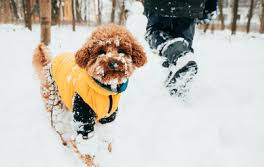
INDIANA — As a record-breaking Arctic blast grips the region, animal welfare experts and veterinarians are warning pet owners that a winter coat might not be enough to keep their furry companions safe.
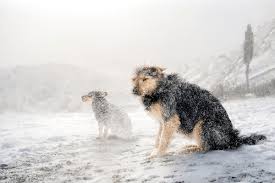
While many owners focus on shivering, local experts suggest that “hidden” dangers—ranging from sweet-tasting toxins to indoor injuries—pose the most significant risk during this week’s extreme cold. Dr. Kelly Hood, DVM, an in-house expert at the pet sourcing platform HonestPet, notes that the picturesque scene of a puppy in the snow can quickly turn into a medical emergency without specific precautions.
1. The Pre-Walk Paw Barrier
While most owners wipe paws after a walk, the ASPCA recommends a proactive approach. Applying a pet-safe paw or nose balm before stepping outside creates a physical barrier against road salt and de-icing chemicals.
- The Risk: Road grit can cause painful chemical burns.
- The Tip: If you don’t have a specialized balm, petroleum jelly can act as a temporary shield to prevent “ice balls” from forming between toe pads.
2. The “Sweet” Poison: Antifreeze
One of the most lethal winter threats is ethylene glycol, the primary ingredient in antifreeze and screen wash.
- The Danger: The chemical has a sweet taste that is highly attractive to both dogs and cats. Even a few licks from a puddle in a driveway can lead to fatal kidney failure.
- Prevention: Always rinse your pet’s paws and belly after a walk. Toxic chemicals can be ingested when a pet grooms itself later in the day.
3. Calorie Counting in the Cold
Veterinary guidance suggests that your pet’s “winter diet” should depend entirely on their lifestyle:
- The Sedentary Pet: If your dog is spending 90% of the day huddled on the couch to avoid the cold, they may need 10–20% fewer calories to prevent unhealthy weight gain.
- The Active Outdoor Dog: Conversely, working dogs or thin-coated breeds (like Greyhounds) burn significantly more energy just trying to maintain their core body temperature and may require extra food.
4. Beyond Shivering: Spotting Hypothermia
Dr. Hood urges owners to look for advanced signs of cold stress. If a pet’s body temperature drops below 99°F (normal is roughly $101^\circ\text{F}–102.5^\circ\text{F}$), it constitutes a veterinary emergency.
Signs to watch for include:
- Dilated pupils and pale gums.
- Lethargy or unusual weakness.
- A “stop” in shivering (this can indicate the body is no longer able to regulate its own heat).
5. The “Slippery Floor” Risk
Surprisingly, the indoors can be just as hazardous during a storm. Dr. Hood warns of cruciate ligament damage caused by “cabin fever.”
“Bored pets may have sudden bursts of activity on slippery hardwood or tile floors,” Dr. Hood explained. “Icy paths outdoors can also cause falls, especially for breeds predisposed to hip issues. Try to guide your dog to grassy, snow-covered areas for traction and a ‘cushioned’ landing.”
To keep pets safe and stimulated indoors, experts suggest using puzzle feeders, trick training, or indoor obstacle courses until the Extreme Cold Warning is lifted.