

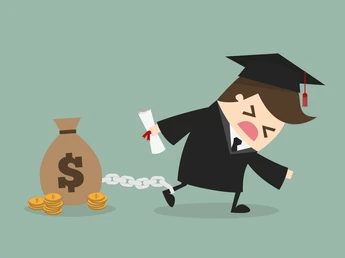
WASHINGTON, D.C.— The Department of Education confirmed Tuesday that the Trump administration will begin garnishing the wages of defaulted student loan borrowers starting the week of January 7, 2026.
The move marks a significant escalation in federal debt collection efforts, which were largely suspended for five years during the pandemic and subsequent transition periods. The restart follows a multi-month roll-out of collection activities that began in May 2025.
The “Default Cliff”: A Growing Crisis
The timing of this announcement coincides with what experts are calling a “default cliff.” Since the expiration of pandemic-era relief, the number of Americans struggling with student debt has surged to record levels.
- 5.3 Million Borrowers are currently in default, meaning they have not made a payment in at least 270 days.
- 4.3 Million Borrowers are in serious delinquency (over 90 days late) and are at high risk of entering default this month.
- 31% Delinquency Rate: Nearly one in three borrowers with a payment due is now at least 90 days past due, the highest rate ever recorded.
How Wage Garnishment Works
Under federal law, the Department of Education can order non-federal employers to withhold a portion of an employee’s income to satisfy defaulted debt. Unlike private creditors, the government does not need a court order to begin this process, known as Administrative Wage Garnishment (AWG).
| Collection Method | Maximum Impact |
| Wage Garnishment | Up to 15% of disposable pay |
| Treasury Offset | Seizure of 100% of federal/state tax refunds |
| Social Security Offset | Up to 15% of monthly benefits |
Employers are legally required to comply with these orders and are prohibited by law from firing or disciplining an employee solely because their wages are being garnished for student loans.
Critical Deadlines for Borrowers
Borrowers will receive a formal notice at their last known address at least 30 days before the garnishment begins. To stop the process, borrowers must act within that 30-day window.
Warning: The government is only required to send the notice to the address on file. If you have moved and not updated your contact information at StudentAid.gov, your wages could be cut without you seeing the warning letter.
How to Stop Garnishment
If you receive a notice or are currently in default, you have several legal avenues to halt collection:
Voluntary Repayment: Negotiating a payment agreement within the initial 30-day notice period is the most effective way to prevent an order from ever reaching your employer.
Request a Hearing: You can challenge the garnishment if you can prove “extreme financial hardship” (e.g., you cannot afford basic necessities like rent or utilities).
Loan Rehabilitation: By agreeing to make nine on-time monthly payments, you can return your loan to “good standing.” Garnishment usually stops after the fifth payment.
Consolidation: You may be able to combine defaulted loans into a new Direct Consolidation Loan, which immediately removes the default status and allows you to enter an Income-Driven Repayment (IDR) plan.

