

BEDFORD – Heartworm disease remains one of the most serious—and preventable—threats to pets, particularly dogs. Spread through mosquito bites, heartworms can cause severe damage to the heart, lungs, and blood vessels, often leading to long-term health complications or death if left untreated. Despite how dangerous the disease can be, prevention is simple, affordable, and far less stressful for both pets and their owners than treatment.
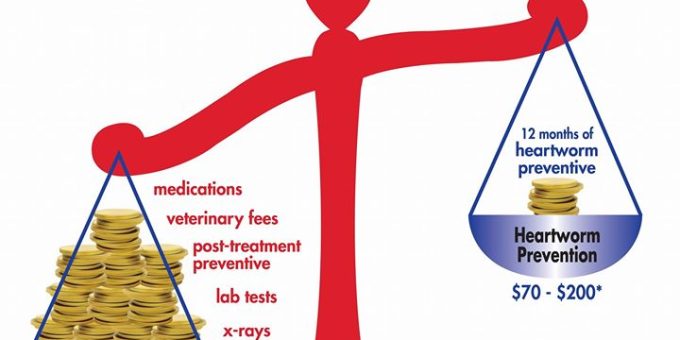
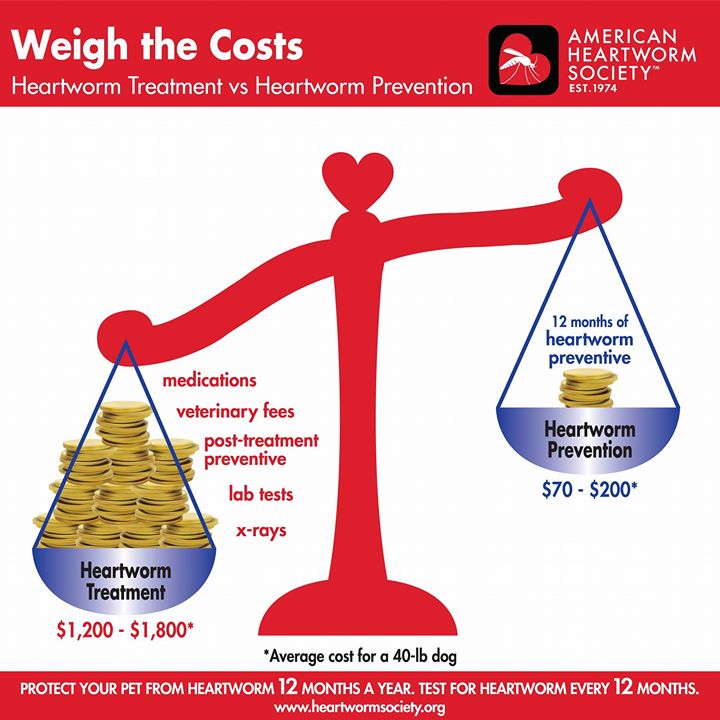
According to the American Heartworm Society, the financial difference between prevention and treatment is stark. A full year of heartworm prevention typically costs between $70 and $200 for an average 40-pound dog. That cost usually includes monthly preventive medication that stops heartworm larvae before they can mature and cause harm. By contrast, treating heartworm disease can cost anywhere from $1,200 to $1,800, and that figure often rises once additional veterinary visits, lab tests, X-rays, medications, and post-treatment prevention are factored in.
Beyond the financial burden, heartworm treatment is physically demanding and emotionally taxing. Dogs undergoing treatment often require strict crate rest for weeks or even months to prevent complications such as blood clots or heart failure. The treatment process can involve painful injections, repeated veterinary monitoring, and a significant disruption to a pet’s quality of life. In some cases, especially for older dogs or those with underlying health conditions, treatment carries serious risks.
Prevention, on the other hand, is straightforward and safe. Veterinarians recommend testing pets for heartworm every 12 months and administering preventive medication year-round, even in colder climates. Mosquitoes can survive indoors and during unseasonably warm periods, making year-round protection essential. Preventive medications are widely available, easy to administer, and highly effective when given consistently.
Ultimately, heartworm prevention is not just a medical recommendation—it’s a responsible choice that protects pets from unnecessary suffering and owners from avoidable expenses. By investing a small amount each year in prevention, pet owners can ensure their animals stay healthy, active, and heartworm-free for years to come.

